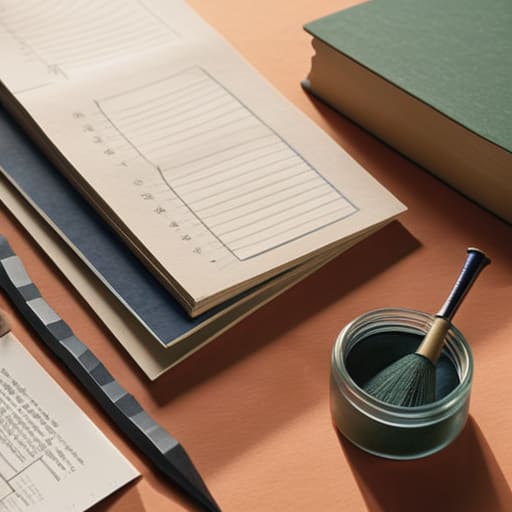
I remember sitting in a cramped studio back in the late nineties, the air thick with the scent of spray adhesive and stale coffee, surrounded by literal mountains of physical paper clippings. We weren’t just scrolling through a curated feed of aesthetic perfection; we were digging through the grit of real-world textures and forgotten typography. Today, I see so many designers mistake a quick Pinterest scroll for actual creative research, treating it like a superficial hunt for “vibes” rather than a deep, intentional investigation. They’re chasing a polished, frictionless illusion that ultimately leaves their work feeling hollow and utterly devoid of soul.
I’m not here to give you a checklist of expensive software or a lecture on data analytics that feels disconnected from the actual act of making. Instead, I want to talk about how we can reclaim the intentionality of our process. I’m going to share the practical, unvarnished methods I use to bridge the gap between raw inspiration and meaningful execution. We’re going to look at how to conduct creative research that respects the friction of human touch, ensuring your next project isn’t just another beautiful screen, but a piece of work with actual substance.
Table of Contents
Sharpening Sensory Observation Skills for Deeper Meaning
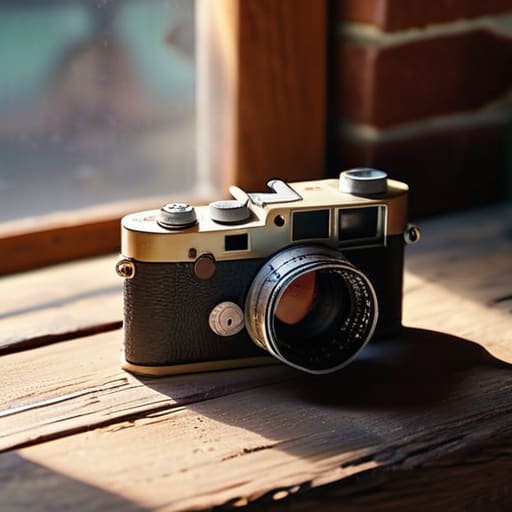
To truly move beyond the superficial, we have to stop looking at screens and start looking at the world. When I’m stuck on a typeface or a brand identity, I step away from the monitor and pick up my Leica. There is a specific kind of intelligence found in the way light hits a weathered brick wall or how a shadow stretches across a matte surface. Developing your sensory observation skills isn’t about collecting more data; it’s about training your eyes to notice the intentionality of texture. If you only rely on what’s already been digitized, your work will inevitably feel like a copy of a copy.
This level of artistic investigation methods requires a certain kind of patience that our current software often discourages. Instead of rushing to a mood board, try sitting with a physical object. Feel the weight of the paper, the resistance of the ink, or the grain of a photograph. By grounding your ideation through visual research in these tactile realities, you bring a layer of soul back into the digital space. We aren’t just arranging pixels; we are translating the physical world into a digital language that still feels human.
Artistic Investigation Methods That Honor the Maker
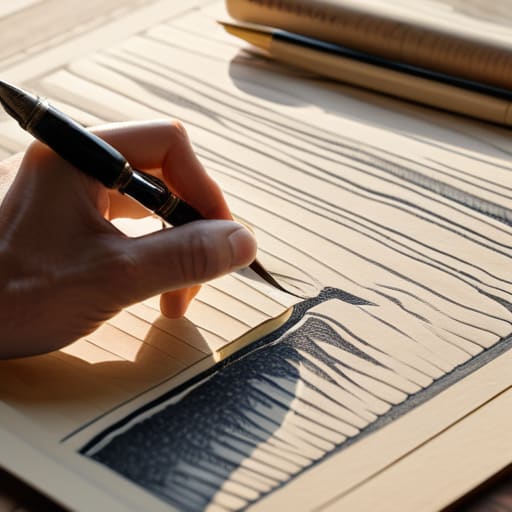
When I sit down with a new client, I find that the most profound breakthroughs rarely come from scrolling through endless Pinterest feeds. Instead, I lean into more rigorous artistic investigation methods that require actual presence. One approach I swear by is the “analog detour.” Before I ever touch a vector point in Illustrator, I spend time sketching the weight of a letterform or the way light hits a textured paper stock. This isn’t just a nostalgic habit; it’s a way to ground my creative process methodology in something tactile. By forcing myself to translate a concept through a fountain pen first, I avoid the trap of settling for the first “clean” digital solution the software suggests.
I also advocate for a more disciplined approach to ideation through visual research. Rather than just collecting images that “look cool,” I focus on dissecting why a specific composition works. I look for the tension in a layout or the specific way a color palette evokes a sense of history. It’s about moving beyond mere decoration and toward a deeper understanding of how visual elements communicate intent. When we treat our research as a form of study rather than a quick search, we build work that actually has something to say.
Practical Anchors for Your Research Process
- Step away from the screen to find your baseline. If you spend your entire research phase looking at Pinterest or Behance, you aren’t researching; you’re just participating in a feedback loop of existing trends. Go to a library, a museum, or even a hardware store. Look at how things are physically constructed.
- Document the “why,” not just the “what.” When you find a typeface or a color palette that works, don’t just save the screenshot. Write down why it hits you. Is it the tension between the strokes? The way the weight shifts? Capture the feeling so you can replicate the intent, not just the aesthetic.
- Embrace the messy middle. Your sketchbook shouldn’t look like a finished brand identity; it should look like a struggle. Use your fountain pen to map out connections between disparate ideas. The friction of physical sketching often reveals connections that a clean digital canvas hides.
- Treat your archives as a living resource. Don’t let your past inspirations die in a forgotten folder. Periodically revisit your old research notes and see how they intersect with your current projects. Often, the most profound breakthroughs come from combining an old observation with a new problem.
- Test for tactile resonance. Even in digital design, ask yourself how a concept would feel if it were made of paper, wood, or metal. If a design concept only works because of a specific digital gradient and fails the “materiality test,” it probably lacks the structural integrity needed to stand the test of time.
The Intentionality of the Process
Stop treating research as a checkbox for a client presentation; treat it as the tactile foundation that prevents your work from feeling hollow or derivative.
Lean into the friction of physical sketching and analog observation to find the nuances that a digital search engine will always overlook.
Use your findings not to automate your decisions, but to ground your creative intuition in something human, messy, and real.
Beyond the Moodboard
Creative research isn’t about collecting a buffet of aesthetics to mimic; it’s about digging into the texture of why things work, so we can build something with actual weight instead of just more digital noise.
Ingrid Bellamy
The Intentional Path Forward
Ultimately, creative research isn’t about amassing a digital library of mood boards or scrolling through endless feeds of “inspiration” that all look the same. It is about the discipline of looking closer—using sensory observation and tactile investigation to find the soul within a concept. When we move beyond the surface level, we stop designing for algorithms and start designing for people. By integrating these methods, we ensure that our work isn’t just a collection of polished assets, but a deliberate response to the world around us, grounded in something much deeper than a trending color palette.
As you step away from your screen and back into your process, I encourage you to embrace the messiness of the search. Don’t be afraid of the slow, sometimes frustrating moments where nothing seems to click; that is often where the most meaningful breakthroughs are hiding. We are more than just operators of software; we are curators of meaning. Let your research be the bridge that connects your technical skill to your human intuition. Build something that doesn’t just fill a screen, but actually demands to be felt.
Frequently Asked Questions
How do I balance the need for structured research with the messy, unpredictable nature of actual creative intuition?
Think of structure as the armature, not the sculpture. I use research to build a reliable skeleton—the typography rules, the user constraints, the color theory. But once that frame is set, you have to step away from the grid. Let the research sit in the back of your mind while you sketch aimlessly or tinker with a lens. The magic happens in the tension between the data you’ve gathered and the gut feeling that tells you the data is wrong.
In a world obsessed with data and user metrics, how can I justify spending time on sensory or analog research methods?
Data tells you what people did, but it rarely tells you why it felt meaningful. Metrics are a rearview mirror; they track behavior, not intention. When I advocate for analog research, I’m not being nostalgic—I’m being rigorous. Sensory exploration uncovers the nuances that a heat map misses: the weight of a texture, the rhythm of a typeface, the “soul” of a brand. We use these methods to build depth that data simply cannot quantify.
How do I prevent my research from becoming a mere collection of references that ends up diluting my own original voice?
The trap is thinking that a mood board is a destination. It isn’t. If you’re just collecting “vibes,” you’re just curating, not creating. To protect your voice, treat every reference as a question rather than an answer. Ask why a specific typeface or color palette works, then strip it down to its core principle. Use the reference to understand the mechanics, but leave the aesthetic to your own hand.
