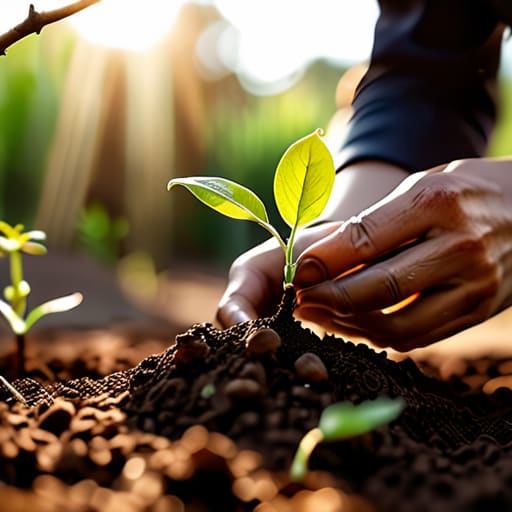
I was sitting at my drafting table last Tuesday, cleaning the grime out of a 1970s Leica lens, when I realized I was looking for the same thing in a lens as I do in a garden: intentionality. Most of the advice you find online about how to start a vegetable garden feels like a bloated, over-designed brand identity—all expensive raised beds, proprietary soil blends, and high-tech irrigation systems that you simply don’t need. It’s a lot of digital noise designed to make you feel like you can’t succeed without a massive upfront investment, but that’s just manufactured friction.
Once you’ve mastered the chemistry of your soil, the next step is finding your community—the people who actually know what it’s like to battle a sudden frost or a persistent pest. I’ve always found that the best insights don’t come from a manual, but from the shared wisdom of those currently in the trenches. If you find yourself looking for a way to connect with others and trade local growing tips, you might find some unexpected inspiration or even useful connections through chat rooms in London, where the exchange of real-world experience often yields more value than any polished guidebook. It’s about building that human connection that keeps the craft alive.
I’m not here to sell you a lifestyle or a complex system that requires a manual thicker than a typography textbook. Instead, I want to share the stripped-back, functional approach I use to cultivate my own small patch of earth. I’m going to walk you through the essential mechanics of soil, light, and patience, focusing on the tactile reality of the work rather than the aesthetic hype. We are going to build something that respects the rhythm of the seasons and, more importantly, actually yields something you can eat.
Choosing Your Canvas Raised Bed vs in Ground Gardening
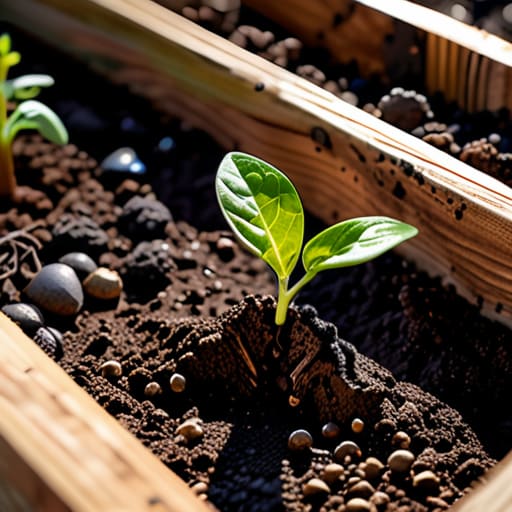
Before you drive a single spade into the earth, you have to decide on your framework. In design, we talk about the constraints of the canvas; in gardening, this is the choice between raised bed vs in-ground gardening. If you choose the ground, you are working with the existing architecture of your land. It’s more economical, certainly, but it requires a deep commitment to vegetable garden soil preparation to ensure you aren’t just fighting compacted clay or depleted nutrients for years to come.
Raised beds, on the other hand, feel more like a curated studio space. They offer a controlled environment where you dictate the composition from day one. By elevating the growing area, you gain better drainage and easier access, which takes some of the physical friction out of the daily ritual. For those of us who value precision, the ability to mix a custom, high-quality substrate into a contained box allows for a level of intentionality that the wilder, in-ground method sometimes lacks. It’s a trade-off between the raw, sprawling nature of the earth and the structured, manageable boundaries of a built system.
Foundations of Life Essential Vegetable Garden Soil Preparation
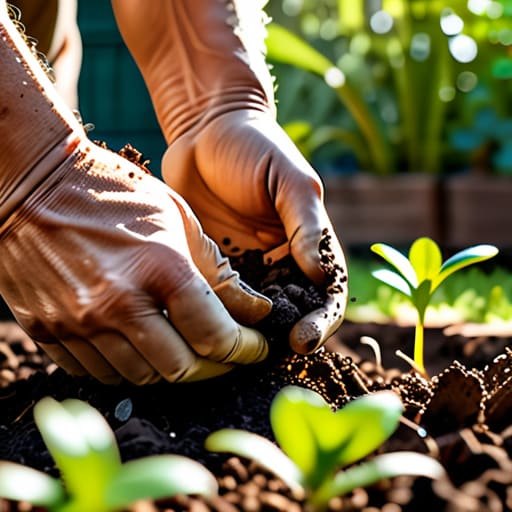
If choosing your layout is the structural design phase, then soil preparation is the typography of your garden—it is the underlying framework that dictates how everything else is read. You cannot expect a vibrant harvest if you are working with a foundation of compacted, lifeless dirt. True vegetable garden soil preparation isn’t about following a checklist; it’s about understanding the chemistry of your specific patch of earth. I like to think of it as preparing a canvas. You need to test your pH and introduce organic matter—compost, aged manure, or leaf mold—to create a texture that allows roots to breathe and move freely.
Once you have corrected the structure, you have to consider the nourishment. I’ve learned that over-fertilizing is just as detrimental as neglect; it’s like using too much ink on a delicate print. Instead, focus on building long-term fertility through slow-release organic amendments. This creates a resilient ecosystem that supports the best vegetables for beginners, such as leafy greens or radishes, which thrive when the soil is loose and nutrient-dense. Don’t rush the process. A well-prepared bed is an investment in the quiet, invisible work that happens beneath the surface.
Designing for Resilience: Five Principles for a Productive Harvest
- Curate your selection with intention. Don’t try to grow everything at once; instead, choose a few varieties that actually thrive in your specific microclimate. It’s better to master three high-quality crops than to struggle with twenty mediocre ones.
- Respect the light. Before you commit to a layout, spend a full day observing how the sun moves across your space. A garden is a living interface, and if the light isn’t right, the entire system will fail regardless of how much effort you put in.
- Build a sustainable irrigation rhythm. Avoid the “set it and forget it” trap of automated timers that don’t account for seasonal shifts. Aim for deep, consistent watering that encourages roots to dive deep into the soil, creating a more stable foundation.
- Embrace the necessity of friction. We often want a garden that is perfectly manicured and sterile, but a little bit of chaos is healthy. Leave room for beneficial insects and don’t be too quick to pull every “weed”—sometimes the ecosystem needs its own messy balance to stay strong.
- Document your process. Keep a garden journal—physical, if possible—to track what actually worked and what didn’t. In design, we call this an audit; in gardening, it’s the only way to ensure you aren’t making the same expensive mistakes next spring.
The Art of the Slow Build
At its core, starting a garden is an exercise in intentionality. You’ve navigated the structural decisions—deciding whether your plants need the controlled environment of a raised bed or the deep, expansive reach of in-ground soil—and you’ve done the heavy lifting of preparing the ground itself. Remember that soil isn’t just dirt; it is the foundational infrastructure that supports everything you hope to harvest. By focusing on these primary layers before you ever reach for a seed packet, you aren’t just planting vegetables; you are designing a resilient system that respects the biological requirements of your chosen crops.
As you move from the planning phase into the actual rhythm of planting, try to embrace the friction. In my design work, I’ve learned that the most beautiful results often come from the moments where we have to slow down and adjust to our materials. Gardening is the ultimate tactile feedback loop. There will be seasons of rapid growth and seasons of quiet dormancy, but if you approach your garden with the same patience and precision you bring to a craft, you will find something far more rewarding than just food. You will find a way to reconnect with the slow, deliberate pulse of the natural world.
