I remember sitting in my studio back in the late nineties, surrounded by the smell of acetate and the rhythmic thwack of a X-Acto knife against a cutting mat. There was a certain weight to every decision back then; if you messed up a layout, you couldn’t just hit undo. Today, we’re seeing a massive push toward procedural generation as a way to bypass that very friction, promising infinite content at the click of a button. But frankly, I’m tired of seeing it used as a shortcut to create digital sludge—vast, empty landscapes that feel technically impressive but possess absolutely no soul.
I’m not here to sell you on the magic of automation or teach you how to flood a canvas with algorithmic noise. Instead, I want to talk about how we can use these systems to actually expand our creative agency. My goal is to share a perspective on how to integrate procedural generation as a collaborator rather than a replacement, ensuring that the intentionality of the designer remains the most important element in the loop. We’re going to look at how to build tools that respect the human hand, not tools that try to hide it.
Table of Contents
Mastering Perlin Noise Algorithm for Organic Textures
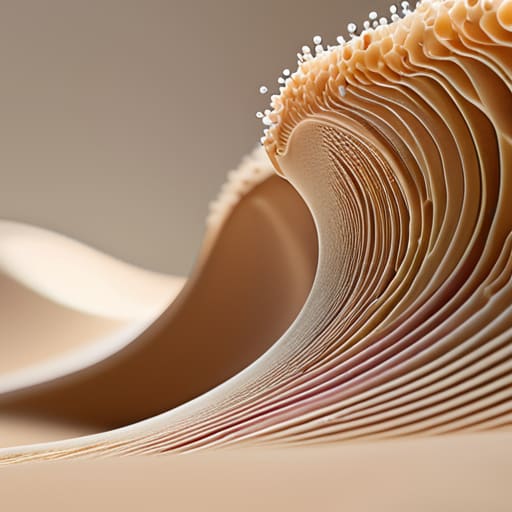
When we talk about digital textures, the biggest trap is the “staircase effect”—that harsh, mathematical rigidity that screams computer-generated. To avoid this, I always go back to the perlin noise algorithm. Unlike standard white noise, which feels chaotic and abrasive, Perlin noise provides a smooth, continuous gradient that mimics the way light hits a surface or how grain settles on a piece of heavy-stock paper. It’s the difference between a jagged, digital static and the soft, unpredictable flow of organic matter.
I find that the real magic happens when you stop treating the algorithm as a “set and forget” tool and start treating it like a physical medium. By layering different frequencies of noise, you can simulate the subtle complexities of fractal geometry in graphics, creating depth that feels earned rather than computed. It’s about finding that sweet spot where the math disappears, leaving behind something that feels like it has weight and history. We aren’t just generating patterns; we are trying to recapture the soul of imperfection.
L Systems for Plant Growth Mimicking Natures Intent
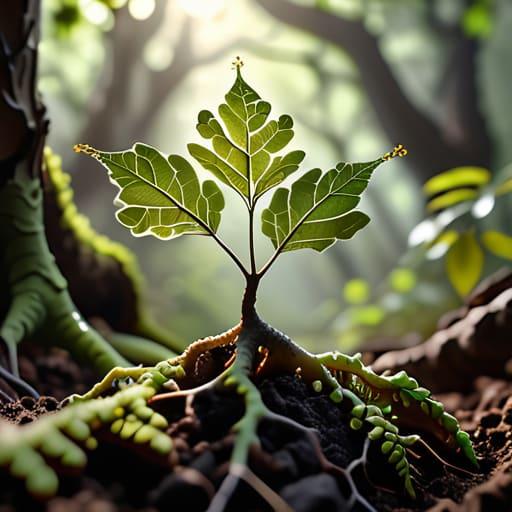
When I sit at my desk with my sketchbook, I’m often struck by how much intentionality exists in a single, sprawling oak tree. Nature doesn’t just throw shapes at a canvas; it follows a rigorous, beautiful set of internal rules. This is where L-systems for plant growth become so fascinating to me as a designer. Rather than trying to manually sculpt every leaf and twig, we use these recursive string-rewriting rules to simulate the way a seedling actually “thinks” as it reaches for the light.
It isn’t about creating chaos; it’s about defining a system of constraints. By applying fractal geometry in graphics, we can move away from the sterile, repetitive assets that often plague digital environments. When we use an L-system, we aren’t just generating a mesh; we are defining a logic of growth. This allows us to create botanical forms that feel earned and structural, rather than just being a collection of random polygons. It’s that delicate balance between the mathematical rule and the organic outcome that makes the process feel less like coding and more like cultivating a digital garden.
Designing the Guardrails: How to Keep the Soul in the System
- Introduce intentional friction. Pure randomness is just noise; true procedural beauty comes from setting constraints that force the algorithm to dance within a specific aesthetic boundary.
- Prioritize the “happy accident.” Don’t aim for perfect mathematical precision. Leave room in your parameters for the system to produce unexpected results that feel like a human mistake.
- Design for iteration, not just output. Your goal shouldn’t be to hit a “generate” button and walk away, but to build a playground where you can tweak variables until the texture feels right.
- Respect the hierarchy of detail. Use procedural tools to handle the heavy lifting of repetitive elements, but always step back in to hand-craft the focal points that demand human intention.
- Avoid the “uncanny valley” of perfection. If a generated landscape or pattern looks too mathematically consistent, it will feel sterile. Introduce subtle asymmetries to mimic the beautiful imperfection of the physical world.
The Intentionality of the Algorithm
Procedural generation shouldn’t be a “set it and forget it” shortcut for lazy production; it is most powerful when used as a sophisticated brush that extends a designer’s reach rather than replacing their judgment.
The goal of using noise or L-systems isn’t to achieve perfect mathematical randomness, but to capture the subtle, imperfect rhythms that make organic textures feel lived-in and authentic.
True craft in the digital age means knowing when to step in and break the algorithm—using the tool to build the foundation, but applying human intuition to refine the final, soulful details.
The Soul in the Machine
Procedural generation shouldn’t be a shortcut to bypass the designer’s eye; it should be a sophisticated set of brushes that allows us to paint with the complexity of the natural world without losing the intentionality of the human hand.
Ingrid Bellamy
The Human Variable in the Machine
We have explored how Perlin noise can breathe life into static textures and how L-systems allow us to simulate the complex, branching logic of the natural world. These tools are mathematically rigorous, yet their true value lies in their ability to break the sterile perfection of the digital grid. When we use procedural generation, we aren’t just automating a task; we are setting up a set of curated constraints that allow for emergent beauty. The goal isn’t to let the algorithm run wild and unattended, but to use these mathematical frameworks to build a foundation upon which we can layer our own intentional design decisions.
As we move further into this era of automated creation, I find myself returning to my sketchbook, reminded that the most important part of any process is the person holding the pen. Technology should never be a substitute for the creative impulse; it should be the wind at our backs. Let us use these algorithms not to replace the artist, but to expand the boundaries of what we can imagine. Ultimately, the most beautiful digital landscapes will always be those that respect the friction of human touch and leave room for the unexpected. We must ensure that as our tools become more complex, our creative agency remains the most powerful variable in the equation.
Frequently Asked Questions
How do we prevent procedural assets from feeling "soulless" or repetitive once the novelty of the algorithm wears off?
The trap is thinking the algorithm is the finish line. When we let the code do all the heavy lifting, we end up with that uncanny, hollow perfection that feels utterly lifeless. To fix it, we have to reintroduce intentionality. I treat procedural outputs like raw clay, not a finished product. Use the algorithm to build the foundation, then step back in with manual overrides—break the patterns, add subtle imperfections, and inject the kind of “human friction” that a script simply can’t simulate.
At what point does the automation stop being a tool for the designer and start becoming a crutch that limits our creative intent?
It becomes a crutch the moment you stop asking “why” and start settling for “because the algorithm said so.” When we use procedural tools to bypass the struggle of decision-making, we lose our agency. Automation should be a collaborator that expands our range, not a shortcut that flattens our taste. If you can’t explain the intentionality behind a generated pattern, you aren’t designing anymore—you’re just supervising a machine.
How can we integrate these generative workflows into a traditional design process without losing the tactile, intentional quality of hand-crafted work?
It starts with treating these algorithms as sophisticated brushes rather than automated replacements. I don’t use procedural tools to generate a finished product; I use them to create a foundation of complexity that I can then refine, prune, and edit by hand. The goal is to use the machine to handle the repetitive math of organic patterns, freeing us to focus on the intentionality of the composition. We lead; the code follows.
