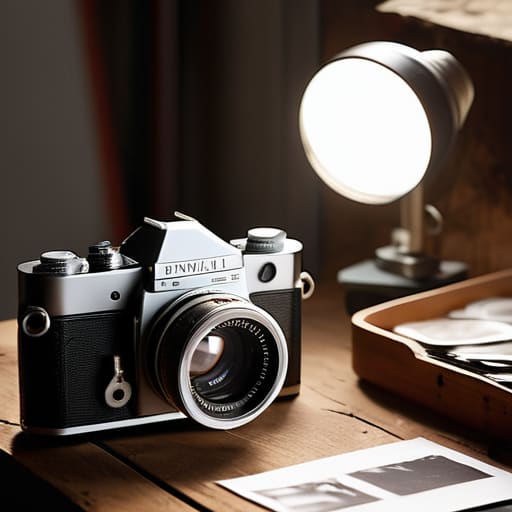
I remember the first time I sat in a darkroom at RISD, the air thick with the sharp, vinegar scent of developer and the low hum of a ventilation fan. There was no “undo” button, no instant preview, and certainly no algorithm to fix my mistakes. It was just me, the mechanical click of a shutter, and the terrifying, beautiful weight of intentionality. In our current era of instant gratification, I see so many people treating analog photography techniques like a mere aesthetic filter—a way to slap a grain preset on a digital file to make it look “vintage.” But if you aren’t willing to embrace the physical limitations of the medium, you aren’t actually practicing the craft; you’re just chasing a ghost.
I’m not here to sell you on expensive, niche gear or peddle the myth that you need a master’s degree to shoot film. Instead, I want to share the practical, hard-won lessons I’ve gathered from years of working with both light and shadow. We are going to strip away the pretension and focus on the actual mechanics of light, exposure, and patience. My goal is to help you master the tactile friction of the process so that every frame you capture feels earned, rather than accidental.
Table of Contents
Mastering Manual Camera Controls for Intentionality
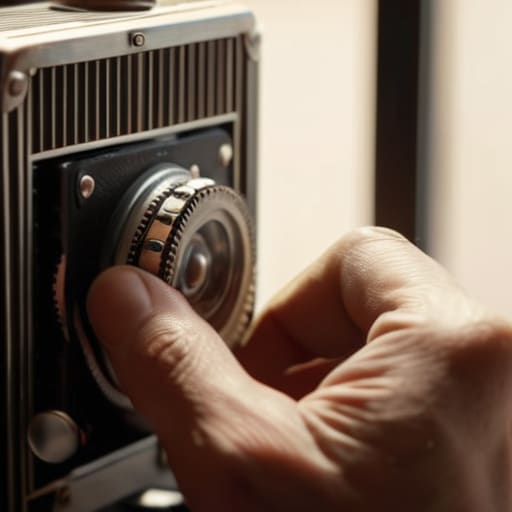
There is a specific kind of tension that exists between your fingers and the dials of a mechanical camera. When you move away from the safety of auto-mode, you aren’t just adjusting light; you are making a series of deliberate choices that define the soul of the frame. Mastering manual camera controls requires you to stop reacting to the scene and start interpreting it. It’s about understanding how a slight shift in your shutter speed can transform a moment from a frozen instant into a purposeful blur.
I find that most beginners fear the mistake, but in the world of 35mm film aesthetics, the “error” is often where the character lives. Instead of chasing a mathematically perfect exposure, I encourage you to experiment with your film exposure settings to see how much shadow you can afford to lose. Sometimes, underexposing a shot by a half-stop is exactly what you need to let the natural texture of the grain breathe. It’s not about technical perfection; it’s about the intentionality of the friction you create between the lens and the light.
Decoding the Soul of 35mm Film Aesthetics
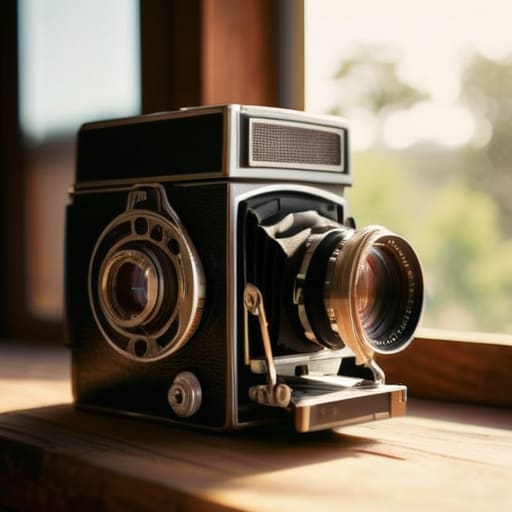
When we talk about 35mm film aesthetics, we aren’t just discussing a visual style; we are discussing a way of seeing. In my design work, I often find myself fighting against the clinical perfection of digital sensors. Digital is often too “correct,” whereas film possesses a beautiful, inherent imperfection. It’s in the way light bleeds into the shadows and how the film grain characteristics provide a texture that feels alive, rather than just a layer of digital noise applied as an afterthought.
This texture is what gives a photograph its weight. Unlike a pixel, which is a mathematical coordinate, a grain of silver halide is a physical reaction to light. When you lean into this, you stop trying to capture a perfect image and start trying to capture a feeling. Whether it’s the subtle color shifts in the highlights or the way a certain stock handles high-contrast scenes, these elements create a sense of depth that digital struggle to replicate. It’s that specific, organic friction that makes a print feel like it has a history before you’ve even held it in your hands.
The Ritual of the Frame: Five Ways to Slow Down
- Stop treating your shutter like a trigger; treat it like a decision. Before you press down, check your composition one last time. Is the light hitting the subject with purpose, or are you just capturing a moment because it happened?
- Lean into the light rather than fighting it. In the digital world, we overexpose to save the shadows, but with film, let the highlights breathe. Sometimes a slightly underexposed frame holds more mood and intention than a perfectly “correct” one.
- Embrace the physical feedback of your gear. I find that actually feeling the tension in a manual focus ring or the mechanical click of a shutter helps me connect with the scene. If you aren’t feeling the camera, you aren’t really present in the shot.
- Don’t fear the grain. We spend so much time in design trying to smooth out every pixel, but in film, grain is the texture of reality. It’s the visual equivalent of a heavy paper stock—it gives the image weight and a sense of place.
- Practice the art of the “discarded” frame. Not every roll needs to be a masterpiece. Allow yourself the luxury of making mistakes—blown-out skies or motion blur—to learn where the boundaries of your medium actually lie.
The Intentionality of the Frame
Stop viewing manual settings as a technical hurdle and start seeing them as a creative choice; every adjustment to your aperture or shutter speed is a deliberate decision that shapes the final narrative.
Embrace the unpredictability of film grain and light leaks as essential textures rather than errors, allowing the medium’s inherent imperfections to provide the human warmth that digital perfection lacks.
Slow down your process to respect the scarcity of the roll, treating each shot not as a disposable data point, but as a physical artifact that requires your full presence and focus.
The Value of the Wait
In a world obsessed with instant gratification and pixel-perfect clarity, there is a profound, quiet power in the delay. Analog photography isn’t about the final image; it’s about the discipline of the process—the way manual settings force you to actually look, to feel the weight of your decisions, and to accept that beauty often lives in the imperfections we can’t simply undo with a click.
Ingrid Bellamy
The Beauty of the Slow Build
Ultimately, moving away from the instant gratification of digital sensors isn’t about being a Luddite; it’s about reclaiming the intentionality of the creative process. By mastering manual controls and learning to read the unique language of 35mm grain, you stop merely capturing light and start composing a narrative. We’ve discussed how the mechanical friction of a manual shutter and the chemical unpredictability of film create a depth that an algorithm simply cannot replicate. It is in these technical nuances—the slight overexposure, the deliberate choice of ISO, the physical act of winding the film—that we find the true soul of the image.
As I sit here at my desk, looking between my latest typeface specimen and the Leica I spent all morning cleaning, I’m reminded that the best tools don’t do the work for us; they demand more of us. Analog photography is a discipline of patience in a world that has become far too fast. Don’t be afraid of the mistakes or the wasted frames. Those “errors” are often the most honest parts of your work. I encourage you to step away from the screen, pick up something mechanical, and embrace the friction of making something real.
Frequently Asked Questions
How do I balance the technical learning curve of manual settings without losing the creative flow of the moment?
The trick is to stop treating your camera like a math problem and start treating it like an extension of your hand. Don’t try to master every dial in one afternoon. Instead, pick one variable—maybe just aperture—and let it become muscle memory. Once the technicality moves from your head to your fingertips, the friction disappears. You aren’t calculating light anymore; you’re simply feeling it. That’s when the flow returns.
Is it worth investing in high-end vintage glass, or can I achieve a soulful look with more affordable, entry-level lenses?
Look, I’ll be honest: you don’t need a Leica lens to find soul. High-end vintage glass offers predictable perfection and micro-contrast, but there’s a specific magic in the “imperfections” of cheaper, older optics. Those entry-level lenses often have a softer fall-off and a bit more character in the flares. If you’re chasing a feeling rather than clinical sharpness, start with the affordable stuff. Let the lens’s quirks become part of your visual language.
How can I translate the tactile, imperfect qualities of film into my digital design workflow without it looking like a cheap filter?
Stop looking for a “grain” slider. To truly translate film into digital, you have to replicate the physics, not just the surface. Instead of slapping a texture over a finished layout, build imperfection into the foundation. Use organic color palettes derived from actual film stocks, introduce subtle chromatic aberration in your typography, and embrace slight, intentional misalignments. It’s about recreating the way light actually hits a medium, rather than just masking a digital perfection.
