
I remember the smell of acetate and the rhythmic, mechanical click of a X-Acto blade cutting through heavy cardstock back when we were still doing physical paste-ups. There was a tactile weight to the work then, a sense that every movement mattered. Today, I see so many designers chasing “productivity hacks” or expensive, automated software suites, convinced that the secret to flow is found in a perfectly optimized digital dashboard. They treat creative rituals like a series of checkboxes to be cleared, turning the sacred act of making into a sterile, algorithmic task. But you can’t automate intuition, and you certainly can’t find soul in a workflow that lacks a bit of human friction.
I’m not here to sell you on a new app or a ten-step morning routine that requires a subscription. Instead, I want to talk about how we can reclaim the intentionality of our craft through much simpler, more grounded practices. I’ll be sharing the specific, low-tech creative rituals I use to protect my focus and honor the messy, beautiful process of design. This isn’t about efficiency for the sake of speed; it’s about building meaningful boundaries that allow your best work to actually breathe.
Table of Contents
Morning Creative Routines to Anchor Your Intent
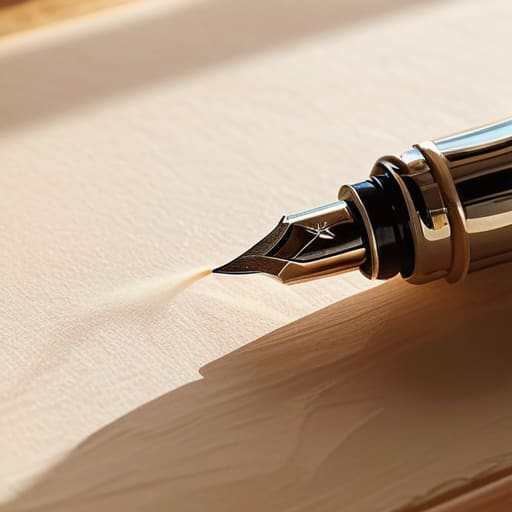
Before the blue light of a monitor hits my eyes, I make a point of engaging with the physical world. I’ve found that my most effective morning creative routine begins not with a keyboard, but with the weight of a fountain pen and the slight resistance of heavy-weight paper. I spend fifteen minutes sketching—not for a client, and certainly not for social media—but simply to calibrate my hand-eye coordination. This tactile engagement serves as one of my primary sensory cues for creativity, grounding my focus before the digital noise of emails and Slack notifications begins to pull at my attention.
Once I finally sit down at my desk, I don’t dive straight into complex layouts. Instead, I use a specific sequence of small, analog tasks to act as flow state triggers. This might mean organizing my physical swatch books or even just cleaning a lens for one of my vintage Leicas. By honoring these small, deliberate movements, I create a buffer between sleep and high-level strategy. It’s a way of telling my brain that we are moving from a state of consumption to a state of intentional production.
Sensory Cues for Creativity Beyond the Screen
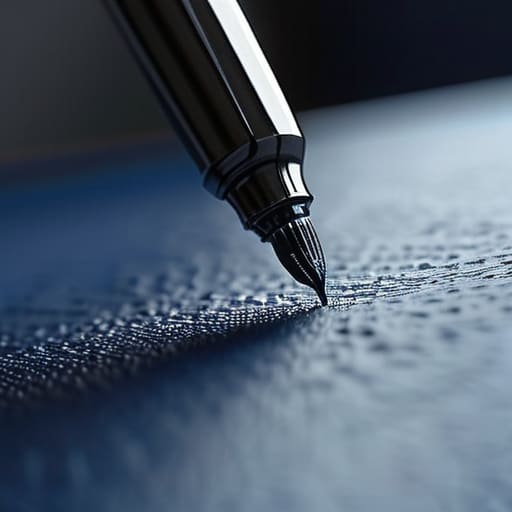
We spend so much of our professional lives trapped in the glow of a backlit monitor, losing our connection to the physical world in the process. When I feel myself stalling, I don’t reach for a new plugin; I reach for something tactile. Sometimes it’s the specific weight of my Lamy fountain pen or the way a certain heavy-stock paper feels under my palm. These aren’t just distractions; they are sensory cues for creativity that remind my brain that design is a physical act, not just a series of clicks.
If you find yourself struggling with overcoming creative blocks, try stepping away from the keyboard to engage a different sense entirely. I’ve found that the scent of cedarwood or the rhythmic sound of a mechanical timer can act as powerful flow state triggers. By intentionally curating your environment—the texture of your desk, the lighting in your studio, even the temperature of your coffee—you create a sensory perimeter. This helps insulate your focus, allowing you to move from a state of digital fatigue into a space of genuine, intentional making.
Protecting the Process: Five Ways to Reclaim Your Creative Intent
- Curate your physical workspace to act as a psychological trigger. Whether it’s the specific weight of a fountain pen or the way light hits your desk at 10:00 AM, these small, tactile anchors signal to your brain that the time for consumption is over and the time for creation has begun.
- Embrace the “analog buffer.” Before you touch a mouse or open a heavy software suite, spend fifteen minutes with a sketchbook. Let the lines be messy and the proportions be wrong; you need to bridge the gap between thought and digital precision through something imperfect.
- Implement a strict “single-tasking” window. The myth of the multi-tasking designer is a recipe for shallow work. Set a timer, close your browser tabs, and commit to one specific problem—be it kerning a headline or mapping a user flow—until the bell rings.
- Schedule intentional friction. We often try to automate everything to make design “easier,” but ease can lead to complacency. Force yourself to step away from the shortcuts and the auto-layout tools occasionally to manually work through a problem, ensuring you remain the driver of the craft.
- Build a ritual of closure. At the end of a session, don’t just shut the lid of your laptop. Clean your desk, close your sketchbook, and physically mark the transition from “maker” to “human.” This prevents the digital noise from bleeding into your rest.
The Intentionality Checklist
Protect the transition from rest to work by building a physical bridge—whether it’s the weight of a fountain pen or the ritual of a fresh sketchbook—to signal to your brain that it’s time to create, not just consume.
Guard your sensory environment against digital saturation; if your eyes are tired of pixels, move to paper or tactile materials to rediscover the friction that sparks genuine intuition.
View your rituals not as rigid productivity hacks, but as necessary anchors that preserve your human perspective in an increasingly automated design landscape.
The Purpose of Friction
A ritual isn’t about optimizing your output or squeezing more efficiency out of your day; it’s about creating a sacred, intentional pause that allows your human intuition to catch up with your digital tools.
Ingrid Bellamy
Protecting the Craft
We’ve talked about everything from the quiet intentionality of a morning routine to the way a specific scent or a tactile sketchbook can pull us out of a digital trance. These rituals aren’t just productivity hacks or ways to squeeze more output from your brain; they are necessary safeguards. By anchoring ourselves in morning intentions and engaging our physical senses, we create a buffer against the relentless, frictionless speed of the digital world. We are essentially building a fortress around our focus, ensuring that our design decisions are driven by deliberate thought rather than the automated impulses of a software interface.
At the end of the day, the goal isn’t to become a more efficient machine, but to remain a more capable human. The industry will continue to chase the next seamless, automated miracle, but I hope you choose to lean into the beautiful friction of the process instead. Hold onto your fountain pens, respect your need for silence, and never be afraid to step away from the glow of the monitor to find your center. When we protect our creative rituals, we aren’t just protecting our work—we are protecting the very soul of what it means to create with purpose.
Frequently Asked Questions
How do I maintain these rituals when my workflow is constantly interrupted by client demands and digital notifications?
It’s the oldest battle in the industry: the tension between deep work and the relentless ping of a client’s “urgent” email. I’ve learned that you can’t fight the tide, but you can build a breakwater. Don’t try to achieve perfect silence; instead, create micro-rituals. Even five minutes of sketching in your physical notebook before opening Slack can act as a psychological anchor, reclaiming your agency before the digital noise takes over.
Is there a way to integrate these tactile, analog habits into a purely digital design process without losing momentum?
It’s a delicate balance, but it’s entirely possible. I don’t view digital and analog as enemies; I view them as different stages of a single breath. Start your heavy lifting in the physical realm—sketching, note-taking, or even just feeling the weight of a pen—to find your direction. Once that intent is set, carry it into the software. Use the digital tools to refine and scale, but never let the speed of the mouse outpace the thoughtfulness of your initial, messy, analog spark.
How do I know when a ritual has become a mindless habit rather than a meaningful way to spark intentionality?
You’ll know it’s gone stale when the ritual feels like a checkbox on a to-do list rather than a doorway. If you’re performing the motions—grinding the coffee, opening the sketchbook—without actually feeling the shift in your headspace, you’ve drifted into automation. A ritual should create a sense of arrival. If you’re just going through the motions to “get it over with,” it’s time to break the pattern and find a new way to stir the soul.
