
I remember sitting in a windowless studio back in the late nineties, surrounded by the sharp, chemical scent of spray adhesive and the tactile grit of physical typesetting. We didn’t have algorithms to dictate our moves; we had intuition, ink, and a deep respect for the physicality of a concept. Today, I see so many agencies drowning in “automated insights” and bloated, expensive slide decks that promise a revolution but deliver nothing but noise. They treat branding strategy like a math problem to be solved by a machine, forgetting that a brand isn’t just a collection of optimized assets—it’s a living, breathing connection between a creator and a human being.
I’m not here to sell you on the latest tech-driven hype or a hundred-page manual that no one will ever read. Instead, I want to pull back the curtain on what actually works when you strip away the jargon. I’m going to share the intentional frameworks I’ve honed over two decades of navigating the shift from paste-ups to pixels. We are going to talk about building identities that possess weight, purpose, and a sense of craft that survives the digital churn.
Table of Contents
Foundations of Meaningful Brand Identity Development
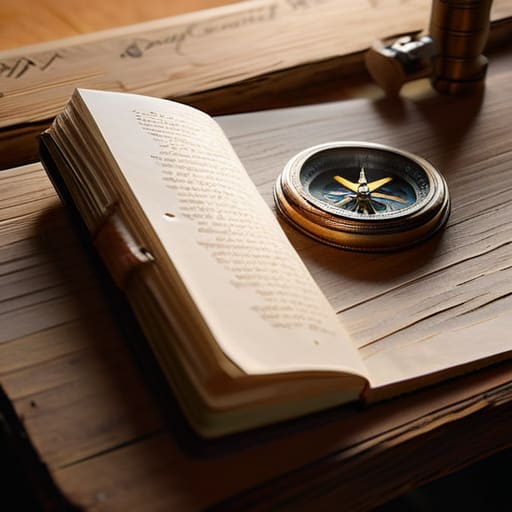
Before you even touch a vector tool or pick a color palette, you have to sit with the “why.” Meaningful brand identity development isn’t about finding the trendiest typeface on Typewolf; it’s about excavating the core values that make a business breathe. I often tell my clients that if you start with the visuals, you’re just decorating a house that has no foundation. You need to define the essence of the work first—the quiet, steady truths that won’t shift when the next design trend sweeps through.
This stage is where we establish strategic brand positioning. It’s the process of deciding exactly where you sit in the mental landscape of your audience. If you don’t define that space, the market will define it for you, and usually, they’ll do it poorly. We aren’t just looking for a way to look different; we are looking for a way to be meaningful. By grounding your identity in something substantial, you move away from mere decoration and toward a cohesive system that actually holds weight.
Strategic Brand Positioning That Respects the Creator

Positioning isn’t about finding a gap in a spreadsheet; it’s about finding a space in the human experience. When we talk about strategic brand positioning, we often get bogged down in market share and demographic data, forgetting that a brand is essentially a promise made to a person. I’ve seen too many agencies try to “disrupt” a category by simply being louder or faster, but true differentiation comes from how a brand respects the user’s intelligence. You aren’t just fighting for attention; you are fighting for trust.
To achieve this, your brand voice and tone must act as the connective tissue between your visual identity and your core values. If your typography feels clinical and cold, but your copy tries to be whimsical and irreverent, you create a cognitive friction that pushes people away. We have to stop treating these elements as separate silos. Instead, treat them as a single, cohesive expression of intent. When the voice matches the visual weight, you create a sense of stability that allows for real, long-term connection.
Five Ways to Keep Your Strategy From Losing Its Soul
- Stop chasing trends and start looking for permanence. A color palette might feel “of the moment” because of a specific social media filter, but if it doesn’t hold up when printed on textured paper or viewed in low light, it’s a hollow choice. Build for longevity, not for the algorithm.
- Respect the friction of the user experience. A brand isn’t just a logo; it’s how a person feels when they navigate your site or unbox your product. Don’t automate every interaction to the point of sterility. Leave room for moments that feel tactile and intentional.
- Audit your typography with an eye for character. Type is the voice of your brand. If you’re just picking a standard sans-serif because it’s “clean,” you’re missing a massive opportunity to convey nuance. Choose typefaces that have a sense of history and human construction.
- Prioritize clarity over cleverness. I see so many boutique agencies try to be “edgy” by making their messaging intentionally cryptic. It’s a trap. If your audience has to work too hard to understand what you actually do, you haven’t built a brand—you’ve built a puzzle.
- Connect your digital presence back to physical reality. Even if you exist entirely online, your brand should feel like it has weight. Use visual language that suggests texture, depth, and craftsmanship. It reminds people that there are real humans behind the pixels.
The Intentionality Checklist
Stop chasing trends that expire in six months; build a visual language rooted in purpose so your brand doesn’t feel like a digital afterthought.
Respect the friction of human interaction by ensuring your brand identity works as well in a tactile, real-world context as it does on a high-resolution screen.
Treat every design decision as a commitment to craftsmanship, prioritizing clarity and meaningful connection over mere visual noise.
The Fallacy of Visual Noise
A branding strategy isn’t a checklist of assets to be deployed; it’s the quiet architecture of intent. If your brand identity is just a collection of polished vectors without a sense of weight or purpose, you aren’t building a brand—you’re just decorating a digital void.
Ingrid Bellamy
The Intentional Path Forward

At its core, a successful branding strategy isn’t about the superficial layer of colors and fonts we present to the world; it is about the structural integrity of your purpose. We have explored how meaningful identity must be rooted in substance, and how strategic positioning should serve as a bridge between your vision and the human beings you aim to reach. When we strip away the noise and the automated trends, we are left with the necessity of intentionality. If your brand lacks a foundation of truth, no amount of high-fidelity digital polish will save it from feeling hollow.
As you move forward with your next project, I encourage you to step away from the screen for a moment. Pick up a pen, find some paper, and ask yourself if the brand you are building actually respects the people it serves. We are living in an era of frictionless automation, but I believe our greatest strength lies in our ability to embrace the human element—the slight imperfections and the deep-seated values that make a brand feel real. Don’t just aim to be seen; aim to be felt. Build something that lasts.
Frequently Asked Questions
How do I maintain a sense of human intentionality when my workflow relies so heavily on automated design tools?
The trick is to treat automation as a high-speed assistant, not the lead designer. I always start with my sketchbook—ink on paper creates a different kind of cognitive friction that a mouse simply can’t replicate. Use the tools to handle the heavy lifting of production, but keep the decision-making rooted in manual exploration. If you let the software make the aesthetic choices for you, you aren’t designing; you’re just supervising.
At what point does a brand's visual identity become too rigid to allow for the natural friction of human interaction?
It becomes too rigid the moment the brand guidelines start behaving like a cage rather than a compass. When a system is so hyper-sanitized that it leaves no room for the “beautiful mistake”—the slight variation in a hand-drawn element or the organic shift in a layout—you’ve lost the human connection. If your brand can’t breathe or adapt to the texture of a real-world moment, it’s no longer an identity; it’s just a template.
How can small boutique agencies compete with massive, algorithm-driven brands without losing their unique, handcrafted soul?
Stop trying to out-scale them. You’ll never win a math war against an algorithm, so don’t play that game. Instead, lean into the friction. Massive brands are polished, frictionless, and ultimately hollow. Your advantage lies in the intentionality of your process—the “handcrafted soul” that comes from a human making a choice rather than a machine calculating a trend. Compete through depth, nuance, and the kind of tactile storytelling that an automated system simply cannot replicate.
