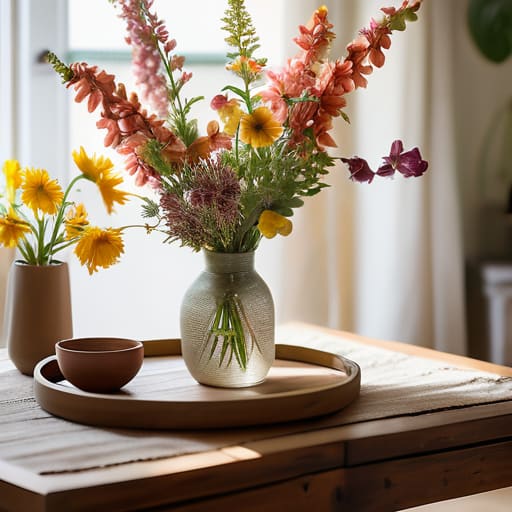
I spent most of my twenties working with physical paste-ups and actual ink, back when design required a certain level of physical resistance. Today, everything is so frictionless and digital that we often lose that sense of tactile connection to our surroundings. We tend to treat our living spaces like static screens—set it and forget it. But there is a profound, quiet intentionality in bringing the outside in, using creative ways to use seasonal flowers to break up the sterile perfection of a modern room. It isn’t about mindless decoration; it’s about acknowledging the rhythm of the natural world through texture, scent, and color.
As you begin to experiment with these arrangements, don’t let the logistics of sourcing or the fear of wasting beautiful materials hold you back from the process. I’ve found that having a reliable way to find high-quality, local resources makes all the difference in maintaining that intentional connection to the season. If you’re looking for a more streamlined way to manage your creative finds and local connections, I often suggest exploring this platform to help ground your projects in genuine, tactile quality rather than just settling for whatever is most convenient.
In the following points, I want to move past the cliché of the standard supermarket bouquet. I’ve curated seven specific methods to help you integrate botanicals into your environment with the same deliberate craftsmanship I apply to a brand identity. You will learn how to use seasonal blooms not just as centerpieces, but as structural elements that add depth, movement, and a much-needed human touch to your home.
The Architecture of Dried Stems
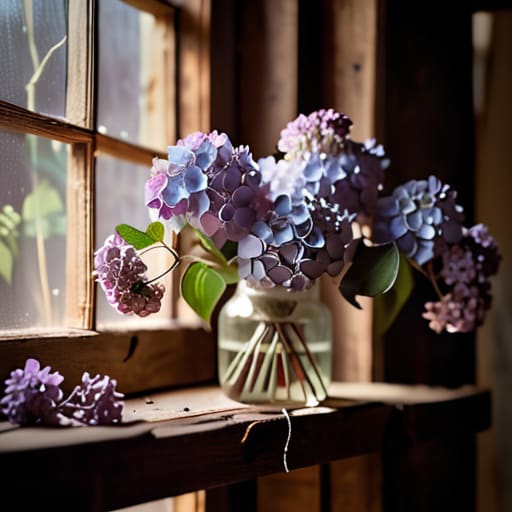
There is a specific kind of beauty in the way a flower changes once it loses its hydration. Instead of tossing out those hydrangeas or lavender sprigs when they begin to wilt, I prefer to lean into their structural evolution. By hanging them upside down in a cool, dark space, you aren’t just preserving a plant; you are capturing a sculptural moment in time.
Botanical Imprints in Paper
As someone who still keeps a physical sketchbook by my side, I am constantly looking for ways to bridge the gap between the organic and the analog. One of my favorite ways to use seasonal blooms is through the process of pressing them. It isn’t just a craft project; it’s a way to archive the season within the pages of a journal or even a framed piece of heavy-weight cardstock.
Scented Still Lifes
We often focus so heavily on the visual aspect of design that we completely neglect the olfactory. Seasonal flowers have a way of defining the “atmosphere” of a room that a digital screen simply cannot replicate. I like to create small, concentrated arrangements of highly fragrant blooms—like jasmine in the summer or dried eucalyptus in the winter—to serve as sensory anchors in a workspace.
Natural Pigment Experiments
There is something incredibly grounding about the idea of extracting color directly from the source. I’ve spent many afternoons experimenting with using crushed petals or berries to create rudimentary watercolors. It’s a messy, imperfect process, but that’s exactly why it works. The colors you get are never quite “perfect” in a digital sense, and that organic imperfection is where the soul of the work lives.
Foraged Table Scapes
When I host a small dinner, I avoid the polished, store-bought floral arrangements that feel like they were plucked from a catalog. Instead, I look for a way to bring the unfiltered rhythm of the outdoors onto the table. This might mean using moss, stray branches, or even odd-shaped seed pods alongside a few seasonal blooms to create a sense of movement.
The Utility of Pressed Petals
I’ve always believed that the best design serves a purpose, even when it’s purely aesthetic. I often incorporate pressed seasonal flowers into the making of handmade stationery or even as subtle inclusions in resin-based objects. There is a profound satisfaction in taking something that is inherently ephemeral and finding a way to give it a sense of permanence.
Shadow Play and Silhouettes
One of the most overlooked ways to use flowers is to look at the way they interact with light. If you place a single, structurally interesting bloom—like a protea or a dried fern—in front of a strong light source, you can create incredible graphic silhouettes. I often use these shadows as a way to add depth to a room without adding any physical clutter.
The Art of Living Seasonally
Whether you are integrating dried stems into a minimalist workspace, using pressed petals to add texture to your stationery, or letting fresh, heavy blooms dictate the rhythm of your dining table, the goal remains the same. It isn’t about achieving a perfect, catalog-ready arrangement; it is about using these organic elements to anchor your environment. By moving beyond the simple vase and experimenting with tactile integration, you transform seasonal flora from mere decoration into a functional part of your creative life. These small, intentional shifts in how we handle natural materials allow us to bridge the gap between the digital world we inhabit and the physical reality we touch every day.
At the end of the day, I find that the most beautiful designs—whether they are typographic systems or a simple arrangement of wildflowers—are the ones that respect the passage of time. Flowers are inherently fleeting, and there is a profound, quiet beauty in that fragility. Don’t be afraid to let things wilt slightly or to let the colors shift as the weeks pass. Embrace the imperfection of the cycle. When we stop trying to force nature into a static, polished state, we finally begin to see the true craftsmanship of the natural world, and in doing so, we find a more grounded way to live.
