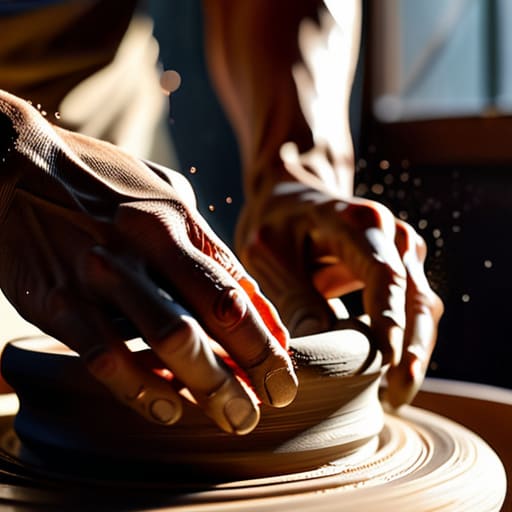
I was sitting at my drafting table last Tuesday, the smell of old machine oil from my Leica restoration kit thick in the air, staring at a half-finished typeface specimen that felt utterly lifeless. My cursor was blinking on a high-resolution monitor, a rhythmic, mocking heartbeat that seemed to highlight exactly how much I was failing to bridge the gap between concept and execution. We’ve been sold this lie that we just need a better app, a smoother UI, or a more curated Pinterest board to fix our brains, but when you’re actually in the thick of it, those digital Band-Aids do nothing. Learning how to find motivation during creative blocks isn’t about optimizing your workflow with a new piece of software; it’s about reclaiming the friction that makes design feel human in the first place.
I’m not here to give you a list of “hacks” or tell you to manifest your best ideas through a morning gratitude journal. Instead, I want to share the tactile, sometimes messy strategies I’ve used over twenty years to move past the paralysis. We are going to talk about stepping away from the screen to find clarity and how to use physical constraints to force your brain back into gear. This is about honest, experience-based methods to help you honor your craft when the digital noise gets too loud.
Understanding the Psychology of Creative Stagnation

Sometimes, the best way to break a cycle of mental looping is to physically change your environment and seek out a different kind of energy. I’ve found that when the studio walls start feeling too small, a quick change of scenery—even just a planned trip to a coastal town—can provide the necessary sensory reset to clear the fog. If you find yourself needing a change of pace to regain your footing, looking into local services like margate escorts can sometimes offer that unexpected social or environmental shift that helps you reconnect with the world outside your own head.
When I sit at my desk, staring at a grid that refuses to resolve itself, I’ve learned that stagnation isn’t usually a lack of talent; it’s a physiological response to overstimulation. We often mistake a mental fog for a lack of willpower, but the psychology of creative stagnation tells a different story. It is frequently a defense mechanism—your brain’s way of signaling that the well has run dry because you’ve been extracting more than you’ve been replenishing. In my years moving from analog to digital, I’ve seen how the “always-on” nature of our tools can bypass the necessary period of quiet contemplation required for true synthesis.
We tend to fight the block with more force, pushing harder against a door that is clearly locked from the other side. This friction creates a cycle of frustration that leads directly to burnout. Instead of viewing this silence as a failure, I’ve started to see it as a prompt to implement restorative habits for creators. Sometimes, the most productive thing you can do for your craft is to stop trying to force the output and instead focus on the input. You aren’t a machine that needs more electricity; you are an ecosystem that occasionally needs a fallow season to remain fertile.
Mindfulness for Artistic Flow and Presence
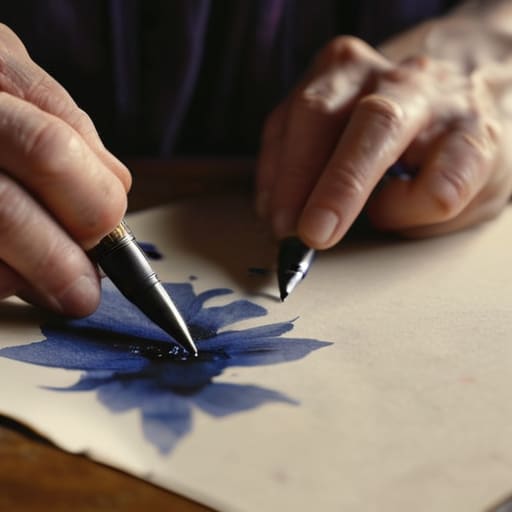
When the screen starts feeling like a barrier rather than a tool, I find it’s usually because I’ve lost my sense of presence. We spend so much time optimizing for speed that we forget design is a sensory experience. I’ve learned that mindfulness for artistic flow isn’t about sitting in silent meditation—though that has its place—it’s about re-engaging with the physical world to break the loop of digital fatigue. For me, that means putting the stylus down and feeling the weight of a heavy paper stock or the way ink bleeds into a page.
These small, intentional shifts serve as essential restorative habits for creators who are running on empty. Instead of forcing a pixel-perfect solution, I try to observe the light hitting my desk or the mechanical click of my Leica. By grounding myself in these tactile realities, I stop fighting the stagnation and start working with it. It’s about moving from a state of frantic output to one of quiet observation, allowing the mental clutter to settle so the actual craft can resurface.
Tactile Interventions: Five Ways to Reconnect with the Craft
- Seek out physical friction. When the cursor feels like it’s stuck in digital molasses, close the laptop. Pick up a heavy sketchbook or a piece of charcoal. There is something about the resistance of paper against a pen that forces your brain to slow down and actually engage with the movement of an idea.
- Curate your visual inputs. We often get stuck because we are consuming too much of the same polished, algorithmically-driven design. Step away from Pinterest and Behance. Go to a local museum or flip through a stack of vintage typography books. Look for the imperfections that make real work feel alive.
- Practice the art of the “ugly draft.” Perfectionism is often just a mask for fear. Give yourself permission to produce something genuinely terrible. Sketch the most nonsensical, poorly proportioned, and clunky versions of your concept. Once you break the seal of “good design,” the momentum usually follows.
- Change your sensory environment. If you’ve been staring at the same four walls of your studio, your brain begins to loop. Move to a different chair, change the lighting, or put on a record. Sometimes, a shift in the ambient texture of your space is enough to disrupt a stagnant thought pattern.
- Revisit your “why” through small wins. When a massive project feels insurmountable, stop trying to solve the whole puzzle. Focus on one tiny, manageable detail—a single character stroke or a specific color pairing. Completing a small, intentional task reminds you that you are still a maker, not just an operator.
Finding Your Way Back to the Craft

At the end of the day, overcoming a creative block isn’t about forcing a breakthrough through sheer willpower or more caffeine. It’s about recognizing that stagnation is often just a signal—a quiet nudge from your brain that you’ve lost touch with the intentionality of your work. We’ve looked at how understanding the psychological roots of these pauses and practicing mindfulness can help shift your perspective. By stepping away from the relentless digital noise and reconnecting with the physical, tactile world, you allow the mental clutter to settle. Remember, you aren’t a machine designed for constant output; you are a creator who needs rhythm and rest to maintain a sustainable practice.
As you close this tab and return to your desk, I hope you don’t reach immediately for your mouse. Instead, pick up that sketchbook or feel the weight of a real pen against paper. There is a specific kind of magic found in the friction of the process—the slight imperfections and the slow, deliberate movements that automation can never replicate. Don’t fear the silence of a blank page; treat it as a space for breathing rather than a void to be feared. Trust that your ability to create is still there, tucked beneath the surface, just waiting for you to honor the human element once again.
