
I was sitting at my desk last Tuesday, the smell of fresh ink from my fountain pen mixing with the hum of my laptop, when I saw another “definitive guide” to design trends analysis pop up on my feed. It was the usual fluff—a mindless collection of colorful gradients and rounded corners that felt like they were designed by an algorithm rather than a person. Most people treat a design trends analysis like a shopping list for the next big aesthetic craze, blindly chasing whatever looks “modern” to fill up white space. But chasing trends without a soul is just expensive noise, and frankly, it’s a disservice to the craft we’ve spent our lives perfecting.
I’m not here to give you a superficial checklist of what’s “in” this season. Instead, I want to show you how to look past the surface level to find the underlying intent behind the movement. I’ll share how I approach a design trends analysis by looking for the human friction—the subtle shifts in how people actually interact with the world. My goal is to help you build work that doesn’t just follow a cycle, but actually stands the test of time through purposeful, intentional craftsmanship.
Table of Contents
Decoding Emerging Graphic Design Patterns With Intent
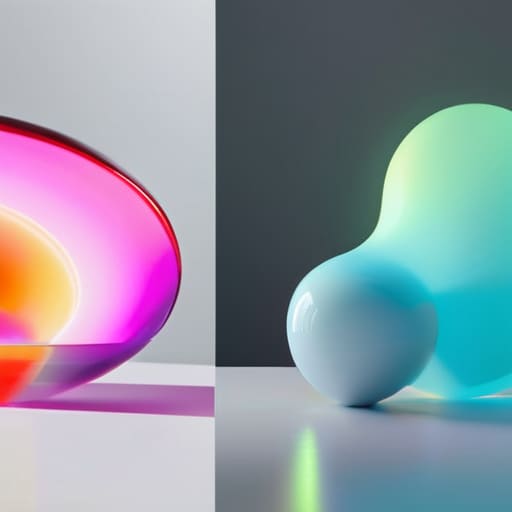
When we look at the current landscape, it’s easy to get lost in the sheer volume of visual noise. We see a constant oscillation between extremes, most notably the ongoing minimalism vs maximalism debate. On one hand, there is a push toward the clinical, stripped-back interfaces that prioritize speed; on the other, a resurgence of expressive, almost chaotic layouts that crave attention. But if we look closer, these aren’t just aesthetic whims. They are symptoms of a deeper digital design evolution where we are trying to find a balance between efficiency and soul.
Decoding these emerging graphic design patterns requires more than just a keen eye for what looks “fresh.” It requires asking why a specific layout is gaining traction. Is it because it solves a usability problem, or is it merely a reaction to the fatigue of the previous era? I’ve found that the most successful shifts occur when designers stop treating pixels as mere data points and start treating them as elements of a narrative. We shouldn’t just adopt a pattern because it’s trending; we should adopt it because it honors the intent of the brand.
Navigating the Digital Design Evolution Without Losing Soul
As we witness this rapid digital design evolution, it’s easy to get swept up in the sheer velocity of it all. We see new tools launching every week, promising to automate the very soul out of our creative output. But there is a profound difference between efficiency and artistry. I’ve watched the industry swing wildly between the minimalism vs maximalism debate for years, yet the most enduring work I’ve ever seen doesn’t care about which side of the fence it sits on. Instead, it focuses on how a layout breathes and how a user feels when they encounter it.
To stay grounded, we have to look past the surface-level noise. It isn’t enough to simply adopt emerging graphic design patterns because they look “current” on a mood board. We need to ask if these patterns actually serve the narrative or if they are just digital wallpaper. True craftsmanship lies in the tension between the tool and the hand; it’s about using technology to amplify our intent, rather than letting the software dictate the limits of our imagination.
How to Filter the Noise: A Strategist’s Guide to Trend Analysis
- Look for the “Why,” not just the “What.” When a new visual style starts appearing on every curated gallery site, don’t just mimic the aesthetic; ask yourself what cultural shift or technological change is driving it. If you can’t find the underlying reason, it’s likely a fad that won’t hold up under scrutiny.
- Prioritize longevity over the latest algorithm-friendly gimmick. I’ve seen too many brands trade their visual identity for a fleeting trend that feels dated within six months. Analyze a trend by asking if it reinforces the brand’s core purpose or if it’s just a temporary mask.
- Test for accessibility before you commit to a trend. It’s easy to get swept up in ultra-thin typefaces or low-contrast color palettes, but if your design excludes users, it has failed its primary function. A trend is only successful if it remains usable across different contexts and abilities.
- Use trends as a way to expand your vocabulary, not as a script. Think of emerging patterns as new colors on a palette rather than a pre-set template. The goal is to use these new visual cues to enhance your storytelling, not to let the trend dictate the narrative.
- Respect the friction of the human experience. As we move toward more automated and “seamless” design, there is a growing appetite for tactile, imperfect, and intentional elements. When analyzing trends, look for those that honor craftsmanship and human touch rather than those that aim for sterile, frictionless perfection.
The Intentionality Checklist
Stop treating trends as a checklist; if a visual element doesn’t serve a functional purpose or deepen the user’s connection to the brand, it’s just digital clutter.
Protect the “human friction” in your workflows by ensuring that automation serves to clear the path for creativity rather than automating the soul out of the design process.
Prioritize craftsmanship over speed by building systems that allow for the subtle, intentional imperfections that make a digital interface feel truly human.
The Peril of Pattern-Chasing
Analyzing trends shouldn’t be an exercise in mimicry; if we only study what is currently popular, we end up designing a digital landscape that looks identical and feels entirely hollow. True analysis isn’t about spotting the next aesthetic wave—it’s about understanding why a pattern works and deciding whether it actually serves the human experience or just clutters it.
Ingrid Bellamy
The Intentional Path Forward
As we’ve navigated through the shifting landscape of emerging patterns and the tension between digital evolution and soulful craft, one thing remains clear: trends are merely weather, not the foundation. Analyzing design trends shouldn’t be an exercise in imitation, but rather a way to understand the current cultural temperature so we can decide how to respond with purposeful distinction. Whether we are looking at the rise of new interface behaviors or the resurgence of tactile aesthetics, our goal must remain the same—to filter these movements through the lens of functional intentionality rather than mindless adoption.
At the end of the day, the most successful designs won’t be the ones that perfectly mirror the latest trend cycle, but the ones that respect the human on the other side of the glass. As you move forward with your own projects, I encourage you to put down the trend reports for a moment and pick up your sketchbook. Let the friction of your own ideas, the weight of your tools, and the integrity of your craftsmanship guide your hand. We aren’t just filling screens; we are building the digital environments where human creativity lives. Let’s make sure we build them with soul.
Frequently Asked Questions
How do I distinguish between a fleeting visual trend and a fundamental shift in design language that actually warrants a change in my process?
Look at the friction. A fleeting trend is usually just a new coat of paint—a specific color palette or a trendy typeface that feels good for a season but lacks structural utility. A fundamental shift, however, changes how we interact with the medium. If the change forces you to rethink your foundational workflow or how a user perceives hierarchy, it’s a shift in language. Don’t pivot for aesthetics; pivot when the logic of the craft itself evolves.
In an era of rapid automation, how can I use trend analysis to strengthen my unique creative voice rather than just homogenizing my output?
Treat trend analysis as a map, not a blueprint. When you see a pattern emerging, don’t just replicate the aesthetic; interrogate the why behind it. Is a specific typeface trending because it offers clarity, or just because it’s easy to automate? Use trends to understand the current cultural temperature, then intentionally pivot away from the center. True craft lives in the deviations—the purposeful friction where your personal hand meets the digital standard.
How much weight should I give to data-driven design trends versus the intuitive, tactile principles of traditional craftsmanship?
Data tells you what people are doing, but it rarely tells you why they feel connected to something. I treat data as a compass, not a blueprint. Use it to understand friction and flow, but never let a spreadsheet override your gut. If a trend looks perfect on a heat map but feels hollow to the touch, trust your eyes. Real design lives in that tension between measurable efficiency and the soul of craftsmanship.
