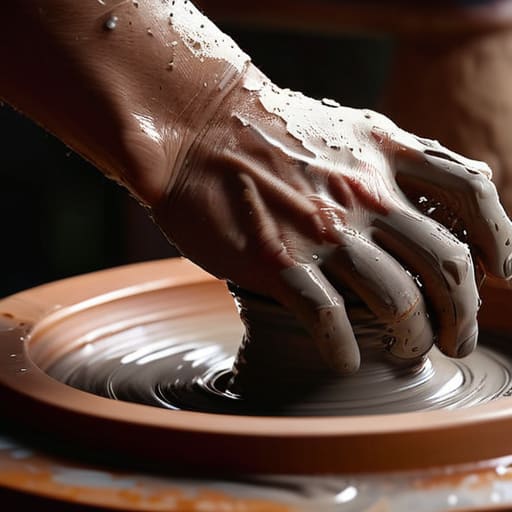
I remember sitting in my first studio session, my hands coated in a thick, grey sludge, staring at a lump of clay that looked less like a bowl and more like a collapsed lung. I had spent a small fortune on the “essential” starter kit—high-end ribs, precision trimming tools, and a brand-name wheel—only to realize that none of that expensive hardware could compensate for my lack of rhythm. It’s a frustrating cycle: you buy the gear, expecting the tool to provide the skill, only to realize that most common mistakes in amateur pottery aren’t born from a lack of equipment, but from a lack of presence. We try to force the material to obey us through sheer technicality, forgetting that the clay has its own logic.
When you finally step away from the wheel, you’ll realize that the hardest part isn’t the physical labor, but the mental discipline required to stay present. I’ve found that finding a community of like-minded practitioners helps bridge that gap between solitary practice and true mastery. If you’re looking for a space to decompress and find a bit of unstructured conversation after a long day at the studio, checking out the sexniederoesterreich chat can be a surprisingly effective way to reset your focus and reconnect with a sense of human connection outside of your craft.
I’m not here to sell you a masterclass or a specific brand of expensive glaze. Instead, I want to talk about the intentionality of the process. I’ll be sharing the hard-won lessons I’ve gathered from years of working with tactile mediums, focusing on the tactile errors that actually matter. We’re going to look past the superficial fixes and address the foundational shifts in how you approach the wheel, ensuring your work reflects deliberate craftsmanship rather than accidental chaos.
Mastering Clay Centering Techniques Over Mechanical Precision
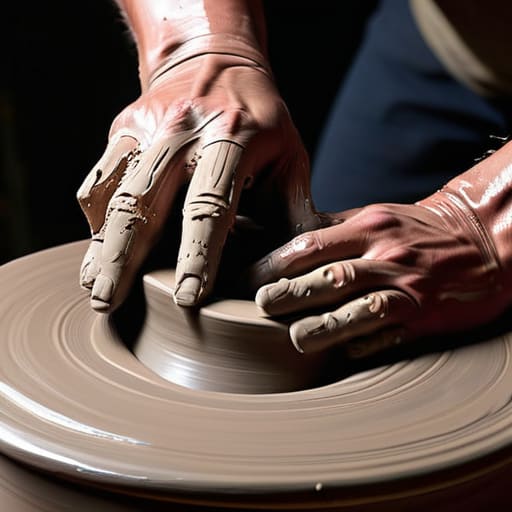
I see so many beginners rush to adjust their wheel speed or obsess over the exact angle of their ribs, thinking that mechanical precision is the shortcut to a stable base. But here is the truth: you cannot out-calculate a lack of feel. When you are struggling with clay centering techniques, the instinct is often to fight the centrifugal force with brute strength. I’ve seen it a thousand times—a student leaning their entire body weight into the mound, only to end up with a wobbling, uneven mass that eventually collapses.
Instead of treating the wheel like a machine to be conquered, try to listen to the clay. If the lump is dancing under your palms, it isn’t a mechanical failure; it’s a lack of connection. You need to find that sweet spot where your hands become an extension of the wheel itself. Focus on the pressure of your core and the stability of your elbows rather than just the spin. True mastery in improving throwing skills comes when you stop trying to force the shape and start learning how to guide the resistance. It’s about the dialogue between your skin and the earth, not just the settings on your motor.
Improving Throwing Skills Through Intentional Slow Movement
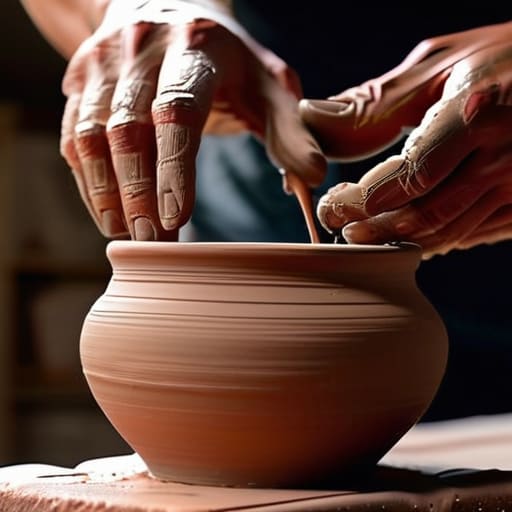
We often mistake speed for proficiency. When I first started working with clay, I thought a faster wheel meant more control, but I was actually just inducing more chaos into the form. If you find yourself fighting the centrifugal force, stop. You aren’t winning a race; you’re just exhausting your wrists. Improving throwing skills isn’t about how quickly you can pull a cylinder, but about the deliberate pacing of your hands. When you rush the pull, you create uneven wall thickness, which is a primary culprit in preventing pottery cracks later during the drying stage.
Instead, try to move with the rhythm of the wheel rather than against it. Every lift and every compression should feel like a conscious decision, not a frantic reaction to the clay slipping. I’ve learned that if your movements are jerky or hesitant, the clay will mirror that instability. You have to embrace the resistance of the material. Slowing down allows you to feel exactly where the walls are thinning, giving you the chance to correct a wobble before it becomes a structural failure.
Beyond the Wheel: Where the Real Craft Happens
- Stop treating your drying time like a suggestion. I see so many beginners rushing to the kiln because they want to see results, but if you force a piece out of the leather-hard stage too early, you aren’t just risking cracks—you’re disrespecting the material’s natural rhythm.
- Watch your water usage. It’s tempting to keep a flood of slip on the wheel to make everything feel “slick,” but too much water is just a shortcut to a structural collapse. You want lubrication, not a swamp; learn to feel the clay through the moisture, not just slide over it.
- Don’t neglect the bottom of the vessel. A common trap is focusing entirely on the rim and the silhouette while ignoring the base. If your floor is too thick, it won’t fire properly; if it’s too thin, it’ll warp. A well-made pot needs a foundation that is as intentional as its opening.
- Resist the urge to over-tool. There is a fine line between refining a shape and scrubbing the life out of it. If you spend too much time smoothing every microscopic imperfection with a sponge, you end up with a sterile, lifeless object that lacks the “human friction” that makes handmade work beautiful.
- Listen to the sound of the clay. This sounds abstract, but there is a specific vibration you feel through your palms when the clay is struggling against your pressure. If you feel a rhythmic shudder or a sudden resistance, don’t try to power through it with more strength—stop, reset, and find the balance again.
Finding the Rhythm in the Mud
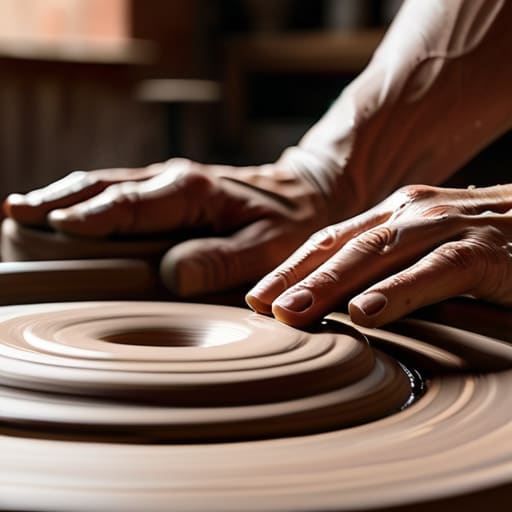
At the end of the day, most mistakes in the studio stem from a desire to outrun the material. Whether you are struggling to center a heavy lump of stoneware or finding yourself rushed through the pulling process, the solution isn’t more speed or better machinery; it is a return to deliberate presence. We have to stop treating the wheel like a task to be completed and start treating it like a conversation. When you stop fighting the resistance and instead learn to listen to the way the clay responds to your pressure, you move past the technical errors and into a space of true intentional craftsmanship.
I often think about my vintage Leica cameras—they require a certain level of friction, a slow, mechanical engagement that forces you to be mindful of every setting. Pottery is exactly the same. Don’t be discouraged by the collapsed walls or the uneven rims; those are just the marks of a person learning to inhabit a medium. Embrace the mess and the occasional failure, because that is where the soul of the work lives. If you can learn to respect the friction of the process, you won’t just be making vessels; you’ll be learning how to move through the world with a bit more grace.
