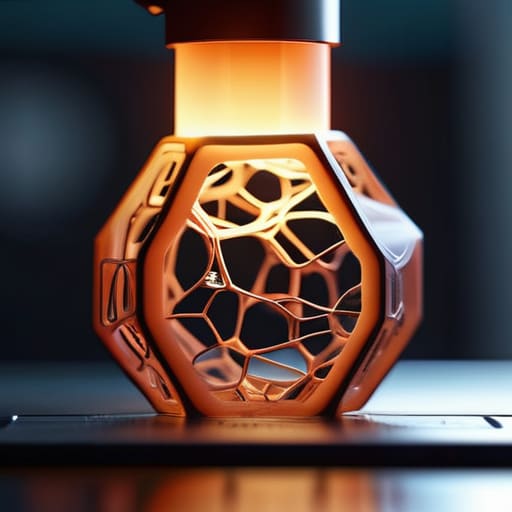
I was sitting at my desk last Tuesday, cleaning the internal gears of a 1970s Leica, when I realized how much we’ve lost in the rush toward “optimization.” There is this pervasive, loud myth in the design community that 3d printing is a magic wand that will somehow automate the soul out of prototyping. People treat it like a way to bypass the messy, necessary stages of tactile exploration, as if clicking ‘print’ on a perfect CAD file is the same as understanding the weight of an object. It isn’t. When we use technology just to speed up the production of junk, we aren’t innovating; we’re just making mistakes faster.
I’m not here to sell you on the latest high-speed resin craze or the expensive industrial setups that promise to replace your hands. Instead, I want to talk about how to use 3d printing as a bridge back to intentional craftsmanship. I’m going to share what I’ve learned about using these tools to test ergonomics, material tension, and physical presence without losing the human friction that makes design meaningful. We’re going to look at the process, not just the output.
Table of Contents
- The Layer by Layer Fabrication Process Building With Purpose
- 3d Printer Filament Types Selecting Materials for Tactile Truth
- Beyond the Print Bed: Five Ways to Maintain Intentionality in 3D Fabrication
- The Intentionality of the Physical Object
- Beyond the Plastic Shell
- Beyond the Machine
- Frequently Asked Questions
The Layer by Layer Fabrication Process Building With Purpose
When I look at a finished object, I’m rarely thinking about the final form alone; I’m thinking about how it was built. Unlike traditional carving or milling, where you start with a block and strip away what doesn’t belong, the layer by layer fabrication process is an act of accumulation. It’s more akin to how we build a brand identity—starting with a foundational concept and adding nuance, texture, and weight until a cohesive whole emerges. This distinction between additive manufacturing vs subtractive manufacturing changes how we approach the initial sketch. You aren’t just designing a shape; you are designing the very logic of its growth.
This shift in methodology requires a new kind of discipline. When you transition from a digital model to a physical object, you have to account for the material reality of the build. Choosing between various 3d printer filament types isn’t just a technical checkbox; it’s a decision about how the object will catch the light or resist the wear of a human hand. If we treat the machine as a mindless executor, we lose the soul of the work. Instead, we must treat these layers as intentional strokes of a digital brush, ensuring that every increment of material serves a specific, structural purpose.
3d Printer Filament Types Selecting Materials for Tactile Truth
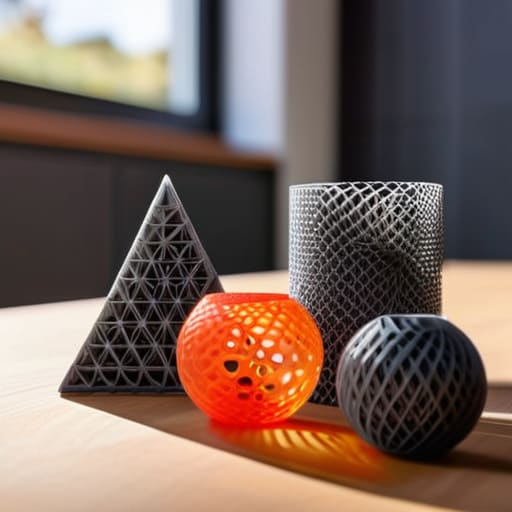
When we talk about the physical reality of an object, the material is the soul of the piece. In my studio, I’ve learned that choosing between various 3d printer filament types isn’t just a technical checklist; it’s a decision about how an object will live in the world. If I’m prototyping a tactile interface or a custom typeface specimen, PLA is my reliable baseline—it’s predictable and clean. But if the goal is something that feels substantial, something that mimics the weight of a vintage camera body, I find myself leaning toward PETG or even carbon-fiber composites.
The nuance lies in how these materials respond to the layer by layer fabrication process. A smooth, silk-finish PLA might look stunning under studio lights, but it can feel strangely hollow, almost ephemeral. On the other hand, using more rugged, industrial-grade polymers allows us to move closer to the goal of 3d printing design for manufacturing, where the digital model finally meets the grit of the real world. We aren’t just making shapes; we are selecting the very texture of the user’s experience.
Beyond the Print Bed: Five Ways to Maintain Intentionality in 3D Fabrication
- Don’t let the ease of digital modeling lead to “formlessness.” Before you hit print, ask yourself if the geometry serves a function or if you’re just adding complexity for the sake of it. Every curve should have a reason to exist.
- Treat your post-processing as part of the design process, not an afterthought. Sanding, priming, and finishing are where you bridge the gap between a plastic prototype and a piece of intentional craft.
- Respect the constraints of the medium. Instead of fighting the physics of FDM printing with impossible overhangs, design with the layer lines in mind. Incorporate them into the aesthetic rather than trying to hide them.
- Test for “hand-feel” early and often. A digital render can’t tell you if a grip is ergonomic or if a texture feels cheap. Print small, tactile iterations to ensure the object respects the human touch.
- Curate your library of digital assets. In an era of endless downloads, there is a profound difference between using a generic STL file and designing a bespoke component that honors the specific soul of your project.
The Intentionality of the Physical Object
Stop treating 3D printing as a way to bypass prototyping; use it to test how a design’s weight, texture, and scale actually interact with the human hand.
Material selection is a design decision, not a technical afterthought—choose your filament based on the emotional and functional truth the object needs to convey.
True craftsmanship in the digital age means using additive manufacturing to bridge the gap between a screen-based concept and a purposeful, tactile reality.
Beyond the Plastic Shell
We shouldn’t use 3D printing just to churn out more clutter; we should use it to reclaim the ability to prototype an idea until it finally feels right in the palm of your hand.
Ingrid Bellamy
Beyond the Machine
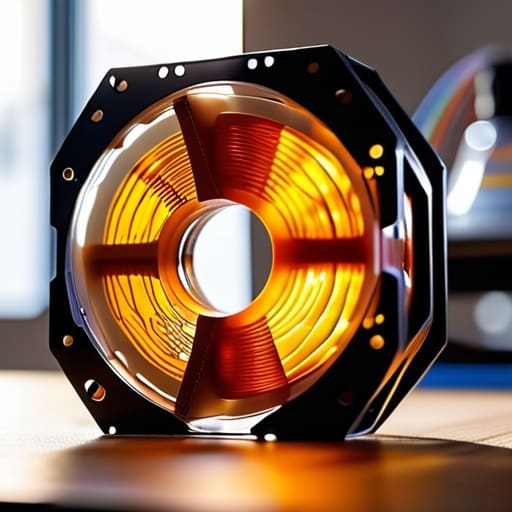
We have traveled from the fundamental mechanics of the layer-by-layer build to the nuanced selection of filaments that define a finished object’s soul. Understanding the process is one thing, but mastering the intentionality of material is quite another. Whether you are navigating the structural complexities of a new print or carefully choosing between the rigidity of PLA and the resilience of PETG, the goal remains the same: to move beyond mere replication and toward true creation. It is about recognizing that every setting and every material choice is a decision that affects how a person will eventually interact with the object you have brought into existence.
As we look toward the future of fabrication, I hope you resist the urge to let the technology do all the thinking for you. A 3D printer is a sophisticated tool, much like my old Leica or a well-balanced fountain pen, but it lacks the human intuition required to make something truly meaningful. Don’t just use these machines to churn out endless, hollow iterations. Instead, use them to bridge the gap between a digital thought and a physical reality that demands to be felt. Let your prints be a testament to your craftsmanship, ensuring that every curve and texture serves a purpose beyond just filling a void.
Frequently Asked Questions
How do I balance the precision of a digital model with the organic imperfections that make a physical object feel "real"?
Don’t aim for mathematical perfection; aim for intention. If a surface is too smooth, it loses its soul and feels like a sterile plastic byproduct. I like to introduce “controlled friction” by slightly adjusting the mesh or intentionally varying the layer height in my slicer settings. It’s about mimicking the subtle irregularities of hand-carved wood or cast metal. You want the object to look like it was made by a hand, not just a machine.
When moving from a prototype to a final piece, how do I ensure the material choice doesn't compromise the intended weight or texture?
Don’t fall into the trap of prioritizing printability over presence. If your design demands a specific heft or a certain grit, you have to account for density early. I often suggest printing test “material slugs”—small, dense blocks of your intended resin or filament—to feel the weight before committing to a full run. If the digital model feels airy but the physical object feels hollow, you’ve lost the soul of the piece.
How can I integrate 3D printed elements into traditional design workflows without losing the sense of craftsmanship?
Don’t treat the printer as a shortcut to bypass the thinking phase. Instead, use it to bridge the gap. I often print rapid, low-fidelity maquettes to feel the weight and scale of a concept before I ever touch a digital tool. By integrating these physical touchpoints early, you aren’t letting the machine dictate the design; you’re using it to ground your digital abstractions in something tangible, ensuring the final product still respects the human hand.
