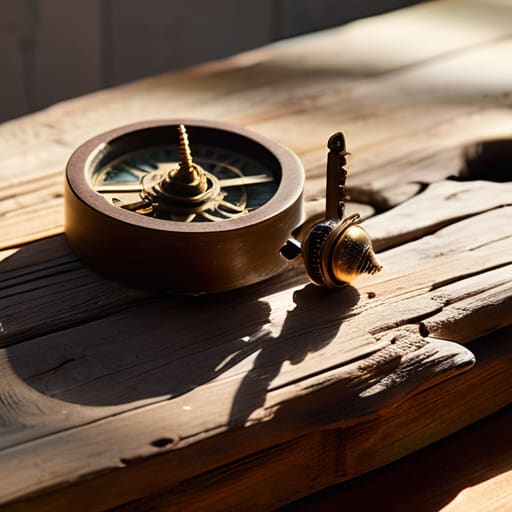
I was sitting on my studio floor last Tuesday, surrounded by the guts of a dismantled 1970s Leica, when I realized how much we’ve lost to the “polished” aesthetic. There is this pervasive, exhausting myth in the design world that found object art needs to be curated into something sterile and high-concept to be considered “serious.” People treat it like a scavenger hunt for expensive vintage scraps just to satisfy a trend, completely ignoring the actual soul of the material. To me, that’s not art; it’s just expensive clutter. True creativity doesn’t come from the price tag of the debris, but from the friction between what an object was meant to be and what it becomes in your hands.
I’m not here to give you a glossy, theoretical lecture on assemblage or help you chase a Pinterest aesthetic. Instead, I want to talk about the intentionality of the discard. I’m going to share how you can look past the surface of a weathered piece of wood or a rusted gear to find its inherent design language. We’ll explore how to integrate these textures into your work without losing your sense of purpose, focusing on meaningful craftsmanship rather than just filling space.
Table of Contents
Tracing the Lineage of Duchamp and Ready Mades
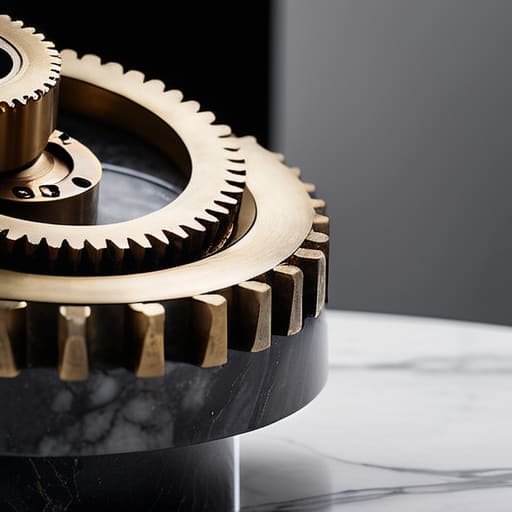
To understand where we are, we have to look back at the moment the rules were broken. When Marcel Duchamp took a urinal, signed it, and called it art, he wasn’t just being a provocateur; he was fundamentally shifting the definition of creativity from making to choosing. This pivot in Duchamp and ready-mades changed everything. It moved the focus away from the manual dexterity of the artist and toward the intellectual weight of the concept. For a designer, there is a profound lesson there: the value of an object isn’t always in its fabrication, but in the context we provide for it.
As we trace this lineage through readymade art history, we see how this rebellion evolved from singular, shocking statements into a sophisticated language of layers. What started as a middle finger to the establishment became a foundation for how we use repurposed materials in sculpture today. We’ve moved past the mere shock of the new and into a space where the history of an object—its scratches, its dents, its previous lives—is what gives the work its gravity. It’s about honoring that inherent friction.
The Intentionality of Repurposed Materials in Sculpture
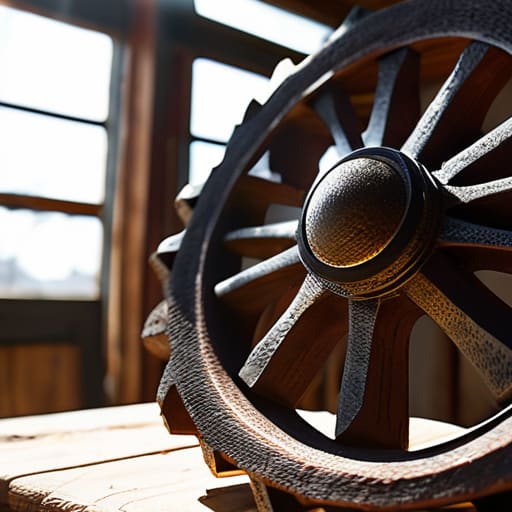
When we look at the use of repurposed materials in sculpture, we aren’t just looking at a clever way to save on studio costs. There is a profound, quiet weight to an object that has already lived a life before it reached the artist’s hands. A rusted gear or a weathered piece of driftwood carries a specific tension—a history of friction and utility that a pristine, factory-made block of marble simply cannot replicate. As a designer, I find that this inherent narrative forces you to work with the material rather than imposing your will upon it.
In more modern practice, contemporary assemblage techniques have evolved far beyond the shock value of the early twentieth century. Today, the goal is often to create a dialogue between the discarded and the intentional. It’s about the subtle alchemy of taking something obsolete and recontextualizing it so that its previous function becomes a ghostly layer beneath its new form. When you respect that history, the sculpture stops being a mere arrangement of junk and becomes a meditation on persistence and transformation.
The Designer’s Eye: Five Ways to Honor the Object
- Listen to the object’s history before you touch it. Every discarded piece carries a previous life—a scratch on a brass hinge or the patina on an old lens—and your job isn’t to erase that history, but to curate it.
- Resist the urge to over-process. In my work with type, I look for the tension between the digital and the tactile; in found object art, that tension lives in the raw edges. If you sand everything down until it’s perfect, you’ve killed the soul of the piece.
- Focus on the juxtaposition of textures. The real magic happens when you place something industrial and cold against something organic and weathered. It creates a visual friction that forces the viewer to actually stop and look.
- Respect the scale of the intention. You don’t need a warehouse of junk to make a statement. Sometimes, a single, well-placed rusted bolt carries more weight than a chaotic pile of scrap if the composition respects the negative space around it.
- Design with purpose, not just for clutter. Ask yourself: “Does this arrangement serve a narrative, or am I just filling space?” Every element in your assembly should justify its presence through its relationship to the whole.
The Soul in the Scrap: Why Found Objects Matter
Found object art isn’t about decoration; it is an exercise in intentionality that forces us to see the inherent history and character within discarded materials.
By moving away from “perfect” digital assets and toward the tactile reality of found objects, designers can reintroduce a necessary human friction into their work.
True creativity lies in the ability to bridge the gap between an object’s original utility and its new, curated purpose, turning a piece of junk into a profound visual statement.
The Soul in the Scrap
Found object art isn’t about cluttering a space with debris; it’s about recognizing the quiet dignity in a discarded fragment and having the courage to let its history dictate the design.
Ingrid Bellamy
The Soul in the Scraps
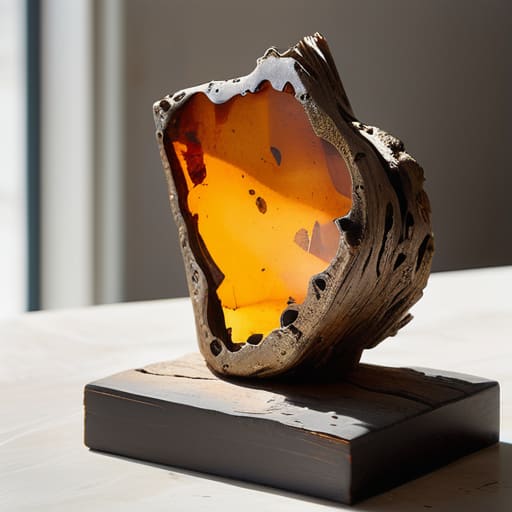
Looking back at how we’ve traced this lineage—from Duchamp’s provocative shifts in perspective to the heavy, deliberate weight of modern sculpture—it becomes clear that found object art is never just about the material itself. It is about the recontextualization of history. We aren’t just stacking debris; we are engaging in a dialogue with the objects that preceded us. Whether it is a rusted gear or a discarded fragment of plastic, these items carry a specific gravity that a pristine, factory-made component simply cannot replicate. By choosing the imperfect, we honor the intentionality of the discarded, proving that meaning isn’t something we manufacture from scratch, but something we uncover through careful observation.
As I sit here with my sketchbook, watching the light shift across my desk, I’m reminded that our digital lives often feel too smooth, too frictionless, and ultimately, too hollow. Found object art serves as a necessary corrective to that polished void. It challenges us to find beauty in the grit and purpose in the overlooked. My hope is that you carry this perspective into your own creative practice, whether you are designing a brand identity or assembling a physical installation. Don’t be afraid of the human friction found in the unexpected. Sometimes, the most profound way to build something new is to finally listen to what the old world is trying to tell us.
Frequently Asked Questions
How do you balance the raw, unrefined history of a found object with the need for intentional design structure?
It’s a delicate tension. You can’t polish the soul out of a discarded object, but you can’t let it wander aimlessly, either. I look at it through the lens of a grid—not to constrain the object, but to give it a stage. I use deliberate composition and negative space to anchor the chaos. The goal isn’t to fix the object’s imperfections, but to frame them so the viewer understands exactly why they matter.
At what point does a collection of discarded items stop being "clutter" and start becoming a cohesive piece of art?
The line between clutter and art is drawn by intentionality. Clutter is accidental; it’s the byproduct of neglect. Art, however, is a deliberate curation. It happens when you stop looking at an object for what it was and start seeing it for its formal qualities—its weight, its texture, its silhouette. When you impose a cohesive logic—whether through scale, rhythm, or a shared color story—you transform a pile of debris into a singular, breathing composition.
In an age of digital perfection, how can we use these tactile, imperfect materials to create something that actually feels human?
We do it by leaning into the resistance. Digital tools are designed to eliminate error, but error is where the humanity lives. To make something feel real, don’t try to sand down the edges of your found objects until they’re sterile. Instead, respect their history. Let the rust, the chipped paint, or the uneven grain dictate the composition. When you stop fighting the material’s imperfections and start collaborating with them, you move from mere assembly to true craftsmanship.
