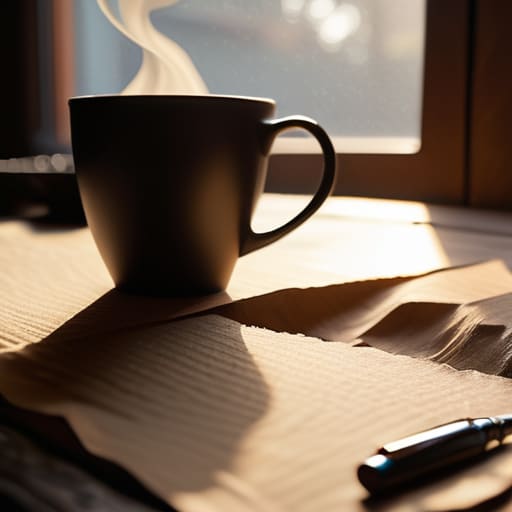
I was sitting at my desk last Tuesday, staring at a blinking cursor that felt less like a tool and more like a heartbeat monitor for a dying idea. My studio was silent, save for the rhythmic ticking of a vintage Leica I was cleaning, yet the mental noise was deafening. We’ve been sold this lie that creativity is a lightning bolt you can summon with the right morning routine or a subscription to a productivity app, but that’s nonsense. Most of the popular ways to overcome creative writer block feel like they were written by people who have never actually sat in the uncomfortable silence of a failed draft. They treat your brain like a machine to be optimized rather than a muscle that needs to breathe.
I’m not here to give you a checklist of lifestyle hacks or “manifestation” techniques. Instead, I want to talk about reclaiming the intentionality of the craft. I’m going to share the tactile, sometimes messy rituals I use to navigate those stagnant stretches—methods rooted in the friction of real work rather than the polish of digital perfection. We’re going to look at how to stop fighting the stillness and start using it to build something that actually matters.
Creative Writing Exercises for Inspiration and Human Connection
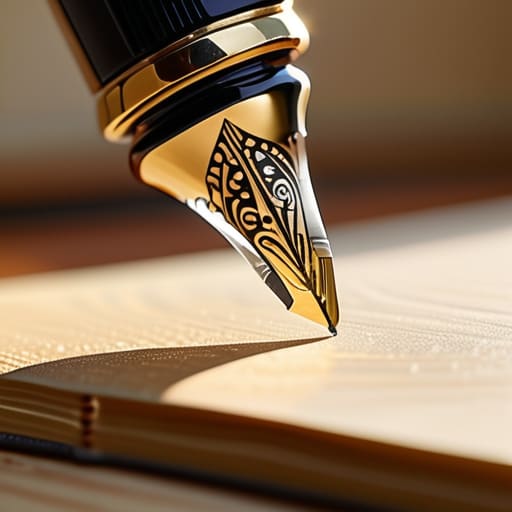
I’ve always found that when the digital tools feel too sterile, the solution lies in reintroducing a bit of tactile friction. One of my favorite creative writing exercises for inspiration involves stepping away from the backlit glow of the monitor and returning to the page. I often grab my sketchbook and a fountain pen—the slight resistance of the nib against the paper does something for my brain that a mechanical keyboard simply can’t. Try “sensory mapping”: instead of trying to plot a narrative, spend ten minutes describing the exact texture of the wood on your desk or the way the light hits a glass of water. It forces you to observe rather than just perform.
If you find yourself stuck in a loop of self-criticism, you might need to shift your focus toward improving creative flow state through low-stakes play. I recommend “automatic writing,” where you set a timer for five minutes and let the ink flow without looking back to edit. The goal isn’t to produce a masterpiece; it’s to bypass the internal editor that keeps you paralyzed. By treating writing as a physical ritual rather than a mental chore, you begin to rebuild that essential connection between thought and hand.
Techniques for Overcoming Mental Blocks Through Tactile Rituals
When the cursor begins to feel like a rhythmic, mocking pulse against a white void, I’ve learned that the solution rarely lies in staring harder at the screen. In my studio, when the digital friction becomes too much, I step away from the backlit glow and reach for my fountain pen. There is a specific, grounding resistance in a nib meeting high-quality paper that a keyboard simply cannot replicate. Engaging in tactile rituals—whether it’s the weight of a heavy sketchbook or the scent of old ink—acts as a sensory anchor. These physical sensations help in improving creative flow state by pulling your focus out of the abstract digital ether and back into your physical body.
If you find yourself struggling with overcoming writer’s burnout, try changing the medium entirely. I often find that sketching out the structural bones of a narrative using charcoal or even a simple graphite pencil allows the brain to bypass the “perfectionist” filter that digital software often triggers. By introducing a bit of intentional messiness, you honor the human rhythm of creation rather than the sterile efficiency of a machine.
Reclaiming the Rhythm: Five Ways to Bridge the Gap Between Stagnation and Flow
- Honor the friction of the physical. When the cursor begins to feel like a rhythmic, mocking pulse on the screen, step away from the backlit glow. Pick up a heavy fountain pen and a paper that actually resists the nib. There is a cognitive shift that happens when your hand has to physically negotiate with the surface of a page; it forces a slower, more intentional cadence that digital interfaces often strip away.
- Curate your visual inputs. As a designer, I know that we don’t create in a vacuum; we respond to the world. If your words are drying up, stop looking at other writers. Look at the way light hits a brutalist concrete wall or the kerning on a vintage street sign. Feed your brain non-linguistic textures to bypass the logical centers that are currently stuck in a loop.
- Embrace the “ugly” draft. We often stall because we are trying to design the final product in our heads before we’ve even laid the foundation. Give yourself permission to produce something structurally unsound. In typography, we call it a “sketch”—it isn’t meant to be polished; it’s just meant to establish the weight and the intent. Write the bad version first so you can find the good one later.
- Change your sensory environment. The brain is highly associative. If you’ve been sitting in the same ergonomic chair staring at the same four walls, your creativity has likely become conditioned to that specific stagnation. Move to a corner with natural light, or better yet, find a space with a different acoustic profile. A change in ambient noise can break the mental loop of a block.
- Limit your tools to reduce decision fatigue. Sometimes the sheer infinite capability of modern software is the enemy. When I’m stuck, I strip everything back. Close the thirty open tabs, silence the notifications, and work in a distraction-free, monospaced font. By narrowing the field of play, you stop managing the interface and start managing the thought.
The Path Forward
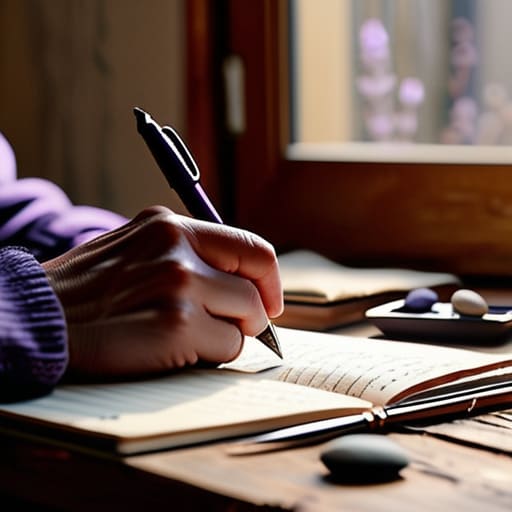
Ultimately, navigating a creative stall isn’t about forcing a breakthrough through sheer willpower or more caffeine. It is about recognizing that your mind requires a different kind of input when the output stops flowing. Whether you are engaging in structured writing exercises to reconnect with your voice or stepping away from the glowing screen to engage in tactile, analog rituals, you are simply recalibrating your internal compass. We have discussed the importance of movement, the necessity of sensory engagement, and the value of shifting our perspective. Remember that these aren’t just distractions; they are intentional interventions designed to honor the natural ebb and flow of your creative rhythm.
As you close this tab and return to your work, I want you to resist the urge to seek a perfect, frictionless solution. The most profound ideas often emerge from the very struggle you are feeling right now. Don’t fear the silence or the empty page; instead, treat that space as a canvas for deliberate exploration. Design your process to accommodate your humanity, not to bypass it. If the words won’t come through the keyboard today, perhaps they are waiting for you in the grain of a piece of paper or the mechanical click of a vintage camera. Trust the friction. It is often the only way to find the spark that makes your work truly yours.
Sometimes, the most effective way to break a mental loop is to step entirely outside of your professional silo and engage with a different kind of human intensity. When my own creative well runs dry, I find that exploring the raw, unfiltered nuances of human desire and connection can act as a profound catalyst for understanding authentic emotion. If you find yourself searching for that spark of genuine, unscripted interaction to remind you of what it means to be truly alive, browsing through private sexanzeigen can offer a window into the complexities of human intimacy that no textbook could ever replicate. It’s about reconnecting with the visceral reality of our impulses, which often provides the exact tension needed to jumpstart a stalled narrative.
